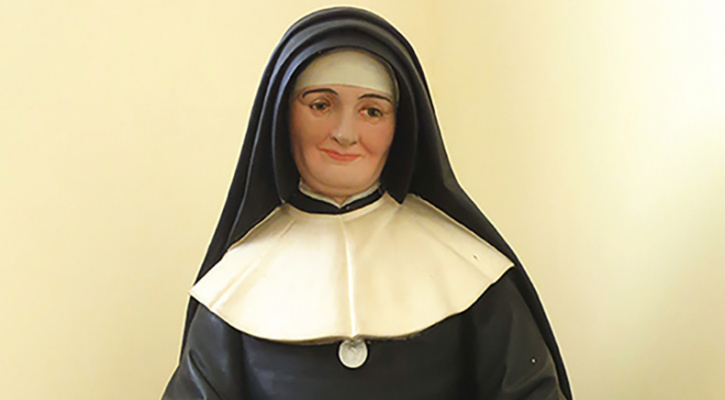
St. Louise de Marillac

When and Where She Lived

St. Louise de Marillac lived from August 12, 1591, to March 15, 1660. She primarily resided in Paris, France, engaging with the social and religious context of the time.

Notable World Events During Her Time

  • Thirty Years’ War (1618-1648): A devastating conflict that reshaped Europe.
  • Scientific Revolution: Advancements in science and philosophy, challenging prevailing notions.
  • English Civil War (1642-1651): Internal conflict leading to political transformation.
  • Treaty of Westphalia (1648): Crucial development in modern international relations.
  • Great Fire of London (1666): Catastrophic fire reshaping the city.

Her Patronage

St. Louise de Marillac is the patron saint of social workers, widows, orphans, and those who have lost parents. Her life’s work and dedication to caring for the marginalized and vulnerable continue to inspire individuals involved in charitable and social services.

St. Louise de Marillac’s life story intersects with a period of historical turmoil and transformation. While events like the Thirty Years’ War and the Scientific Revolution were shaping the world on a grand scale, her tireless efforts to alleviate the suffering of the less fortunate, her collaboration with St. Vincent de Paul in founding the Daughters of Charity, and her commitment to social service continue to resonate as a testament to the power of compassion and empathy in times of change. In the midst of larger geopolitical shifts, her legacy reminds us of the importance of addressing human needs and social injustices.

Early Life

Saint Louise was a French girl born on the 12th of August, 1591, around Le Meux, now Oise, Picardy. Her father was Louis de Marillac, Lord of Ferrires. She was born out of wedlock and had no idea who her mother was.

Louis de Marillac had accepted her as his daughter but had refused to make her his heir.

Saint Louise’s Uncle worked in Marie de’ Mexico’s court. This influence enabled her to work among the French aristocrats.

Saint Louise was cared for like any child but was estranged by her father’s new wife, Antoinette Le Camus. Nevertheless, she was sent to receive education in the royal convent of Poissy, where her aunt was anun.

Louise was a religious child who was convinced that God had bigger plans for her. At the age of 12, her father died, and she was taken to live with a Christian Spinster.

There, she was taught basic management skills and herbal medicine. At the age of 15, her application to join the Capuchin nuns was rejected.

At the age of 21 or 22, Saint Louise’s family arranged her marriage to Antoine Le Gras. Louise did not think marriage was her next path, but she agreed to please her family.

On the 5th of February, Saint Louise got married to Antoine. After some time, she assumed an official role in the local parish she attended.

Antoine and Louise had a son named Michel.

Dedication and Devotion

Tragedy struck in 1621 when Antoine fell ill with a debilitating sickness. Antoine became bedridden, leaving Louise to cater for all three of them. Through it all, Louise was counseled by Francis de Sales, who would later become a Saint and Bishop of Belley.

When Antoine died in 1625, Louise made a pledge to remain single for the rest of her life. She was continually plagued by a vision showing a spiritual guide that would order her path.

This guide turned out to be Saint Vincent de Paul.

After Antoine’s death, Saint Louise moved due to financial reasons. In her new residence, She met Saint Vincent.

Vincent, at that time, was working on a project that involved noble ladies caring for the poor. He was about to end Louise’s friendship when he realized she was the answer to his prayer.

Although suffering from slight health implications, Saint Louise was an energetic and religious young woman. When she wasn’t caring for her son, she was praying, preaching, meditating, or practicing penance. This impressed Saint Vincent so much that he chose to be her spiritual guide.

Legacy

In 1629, Saint Vincent asked Louise to join his charity work. She agreed, and together they ministered to the needy.

With Saint Louise, Vincent de Paul set up an association with the women in his church in Châtillon-les-Dombes.

The project was so successful that they proceeded to help the poor in the slums of Paris, where the noblemen couldn’t reach them. This encourages other women from the less fortunate side of life to take part in the project.

In 1633, a group called the Daughters of Charity of St. Vincent de Paul They respected Saint Louise and made her head of all operations in the group.

Saint Louise invested most of her time and energy into teaching the ladies and helping the poor. The group of ladies was one of the pioneers of uncloistered religious women who went around to minister.

Sometime in the 17th century, Saint Louis traveled to Angers to work at a hospital. There, they nursed the sick.

Death and Canonization

Saint Louise continued to lead the women until her death. She died on the 15th of March, 1660, at the age of 68.

Saint Louise de Marillac was canonized on March 11, 1934, by Pope Pius XI. She is buried at the cathedral in the motherhouse of the Daughter of Charity. She is celebrated by the Roman Catholic Church on the 9th of May and the Episcopal Church on the 15th of March.

5 Interesting Facts About Saint Louise de Marillac

  1. Did you know that it was her priest who arranged for Saint Louise to
    get married to Antoine?
  2. Did you know that Saint Louise de Marillac is the patron saint of
    sick people, widows, and orphans?
  3. Did you know that Saint Louise was named the Patroness of Social
    Workers in 1960?
  4. Did you know that the Roman Catholic Church used to celebrate Saint
    Louise on the 15th of March?
  5. Do you know there are over 25,000 daughters of charity today?

Prayers to Saint Louise de Marillac

O Gracious God, Saint Louise devoted her life to helping Saint Vincent de Paul serve the needs of the poor. She often taught, Be diligent in serving the poor. Love the poor; honor them as you would honor Christ Himself.” I lift up to You the programs in my church and community that help the needy and the people who do the work. Multiply the donations. Teach me how to think generously. Give me a heart that desires to care for the poor as if I were serving Jesus directly, and help me to see Jesus in each person that begs on the street corner or church door. Saint Louise, pray for us. Amen.

Source:[https://www.catholicdoors.com/prayers/novenas/p04005.htm]{.ul}

St. Katharine Drexel

When they lived: St. Katharine Drexel lived from November 26, 1858, to March 3, 1955.

Where they lived: Katharine Drexel was born in Philadelphia, Pennsylvania, USA. She spent much of her life in the United States, with a significant portion of her work focused on the American West and the Native American and African American communities.

Notable world events during the time of their life:

  • American Civil War (1861-1865): St. Katharine Drexel was born shortly before the outbreak of the American Civil War. The war brought about significant social and political changes, including the abolition of slavery, which had a lasting impact on the nation’s history.
  • Industrial Revolution: Drexel witnessed the height of the Industrial Revolution, a period marked by rapid technological advancements, urbanization, and changes in labor practices. This era saw the rise of factories, new transportation systems, and shifts in economic structures.
  • Women’s Suffrage Movement: St. Katharine Drexel’s life spanned the time when the women’s suffrage movement gained momentum. Women in the United States were fighting for their right to vote and seeking broader equality in society. Drexel’s own efforts reflected a commitment to social justice and empowerment.
  • World War I (1914-1918): St. Katharine Drexel was actively engaged in charitable and philanthropic work during World War I. The war brought challenges and changes globally, influencing the socioeconomic landscape and the role of women in society.
  • Great Depression (1929-1939): The Great Depression, a period of severe economic downturn, unfolded during St. Katharine Drexel’s later years. Her philanthropic activities became even more crucial during this time as she responded to the needs of those affected by poverty and unemployment.

Their patronage: St. Katharine Drexel is the patron saint of racial justice and philanthropy. She dedicated her life and inherited wealth to support the education and well-being of marginalized communities, particularly Native Americans and African Americans. Her work focused on promoting equality, fostering understanding among different racial and cultural groups, and advocating for social change. Drexel’s legacy serves as an inspiring example of using one’s resources and influence for the betterment of society, transcending boundaries and embracing the principles of compassion and justice.

Early Life

According to recorded history, St. Katharine Drexel is the second U.S.-born saint, and he was born on November 26, 1858, in Philadelphia,Pennsylvania. Her father, Francis Anthony Drexel, was a wealthy businessman and an associate of J.P. Morgan. Katharine’s mother, Hannah Jane Langstroth, died five weeks after Katharine was born.

Katharine, along with her sister, was taken care of by their uncle and aunt until 1860.

In 1860, her father married Emma Bouvier, who took great care of the girls and taught them the virtues of giving and helping the needy.

Dedication and Devotion

Katherine was home-schooled and raised as an heiress in Philadelphia. Her family had great wealth and was committed to philanthropy. They gave to the needy and did charitable work often.

Emma, Katharine’s stepmother, battled terminal cancer for a long time until she died in 1883. This period had an immense impact on Katharine’s life.

In 1884, she traveled all over the United States with her father. On this journey, she became aware of all the suffering and injustice that faced African Americans and Native Americans across the country. She was deeply moved and decided to make a difference.

Following her father’s death in 1885, she and her sisters inherited misfortune. She took the baton from his family by establishing and funding schools and churches. She strongly believed that education should be accessible to everyone. She was particularly devoted to the Native Americans and African Americans in the southern and Western parts of the country.

On one of her trips abroad, she had a private conversation with Pope Leo XIII to ask for the recommendation of a religious order that could send missionaries to staff her mission schools.

She was then challenged by the pope to also devote her life and money to mission work.

At 29, without any experience, Katharine devoted her life to mission, and she started her training with the Sisters of Mercy in Pittsburgh,Pennsylvania.

In 1891, she took her vows.

Legacy

She founded the Sisters of the Blessed Sacrament with the help of some nuns. This was devoted to the Native Americans and the African Americans. Her money went into the mission.

In 1894, Katharine founded a school for Native Americans in New Mexico.

She went on to set up schools across the country for African Americans, which included a secondary school in New Orleans. In 1915, the secondary school became Xavier University.

In 1927, she built convents across the country in Columbus, Chicago, New York City, and other places. In 1941, Pope Pius XII commended her great devotion to missions.

The Sisters of the Blessed Sacrament grew in numbers and set up 145 missions and 62 schools, including Xavier University.

In 1935, Katharine had a heart attack, and two years later, she retired from the leadership of the Sisters of the Blessed Sacrament.

It is estimated that during her lifetime, she gave over 20 million dollars to charity. The Order she founded is still dedicated to mission.St. Katharine Drexel with her students

Death and Canonization

On March 3, 1955, Katharine died at 96 in Pennsylvania. In 1988, she was beatified. St. Katharine was canonized on October 1st, 2000 by Pope John Paul II.

5 Interesting Facts About St. Katharine Drexel

  • Did you know that St. Katharine is the patron saint of
    racial justice and philanthropy?
  • Did you know that St. Katharine’s feast day is March 3rd?
  • Did you know that St. Katherine never called Emma “stepmother”
    called her mother?
  • Did you know that St. Katharine had two sisters?
  • Did you know that St. Katharine was the first saint born in the U.S.?
    citizen?

Prayer to St. Katharine Drexel

Ever Loving God, you called St. Katharine Drexel to teach the message of the gospel and to bring the life of the Eucharist to the Black and Native American peoples. Through her prayers and example, enable us to work for justice among the poor and oppressed. Draw us all into the Eucharistic community of Your Church, that we may be one in You. Grant this through our Lord Jesus Christ, your Son, who lives and reigns with you and the Holy Spirit, one God, for ever and ever. Amen.

Reference

[https://www.biography.com/religious-figure/saint-katharine-drexel]{.ul}

https://www.britannica.com/biography/Saint-Katharine-Drexel

St. Frances of Rome

When she lived:

St. Frances of Rome, also known as Saint Francesca Romana, lived from January 9, 1384, to March 9, 1440.

Where she lived:

St. Frances of Rome lived in Rome, Italy, during the late medieval period.

Notable world events during her life:

  • The Western Schism (1378-1417): This was a major split within the Catholic Church, leading to multiple rival popes and a significant period of confusion and division within the Church.
  • The Fall of Constantinople (1453): Although slightly after her lifetime, the fall of Constantinople to the Ottoman Empire marked the end of the Byzantine Empire, which had significant cultural and religious implications.
  • The Renaissance (14th-17th century): While St. Frances of Rome lived during the early stages of the Renaissance, this period of great cultural and artistic transformation had already begun to shape Italy, especially in Florence and Rome.
  • The invention of the printing press (1440s): Although just after her lifetime, Johannes Gutenberg’s invention had a profound impact on the spread of knowledge, including religious texts, and played a crucial role in the Reformation.

Her patronage:

  • Housewives and homemakers: Frances of Rome was a devoted wife and mother, known for her exemplary domestic skills, making her a beloved patron for women managing households.
  • Motorists and drivers: She is also the patron saint of motorists, likely due to a famous story in which she miraculously guided a wagon out of a difficult situation.
  • Obstetricians and midwives: St. Frances of Rome’s compassion extended to the care of pregnant women and newborns, making her an ideal patron for those involved in childbirth.
  • The homeless and those rejected by religious orders: Frances devoted herself to helping the poor and those rejected by religious communities, offering a compassionate example of caring for the marginalized.
  • Rome: As a resident of Rome, she is considered one of the city’s patron saints, and her life is deeply connected to the religious and cultural history of the Eternal City.

St. Frances of Rome’s life was marked by her unwavering devotion to her faith, her commitment to serving others, and her ability to find spiritual significance in everyday life. She stands as a compelling figure from a time of religious and cultural change, with a legacy that continues to inspire people in various walks of life.

Early Life

St. Frances of Rome was an Italian saint who was born in 1384 in Rome to wealthy parents, and she died in 1440. She was happily married for forty years to a well-off man, and they had three children. She was a wife, a mother, and an organizer of charitable services. She was also highly dedicated to the Benedictines, which is a monastic religious order and the official order of St. Benedict.

From the tender age of eleven, she wanted to be a nun, but when she was twelve years old, her parents forced her to marry Lorenzo Ponziani. Lorenzo was the commander of the papal troops in Rome, and he was from an extremely wealthy family.

When her mother-in-law passed away, St. Frances became the mistress of the household.

Her Works

Even though her dream to be a nun did not come true, she was able to do her charitable deeds. In the company of her sister-in-law, Vannozza, they visited the poor and took care of the sick. These charitable deeds served as an inspiration to other wealthy men to do the same.

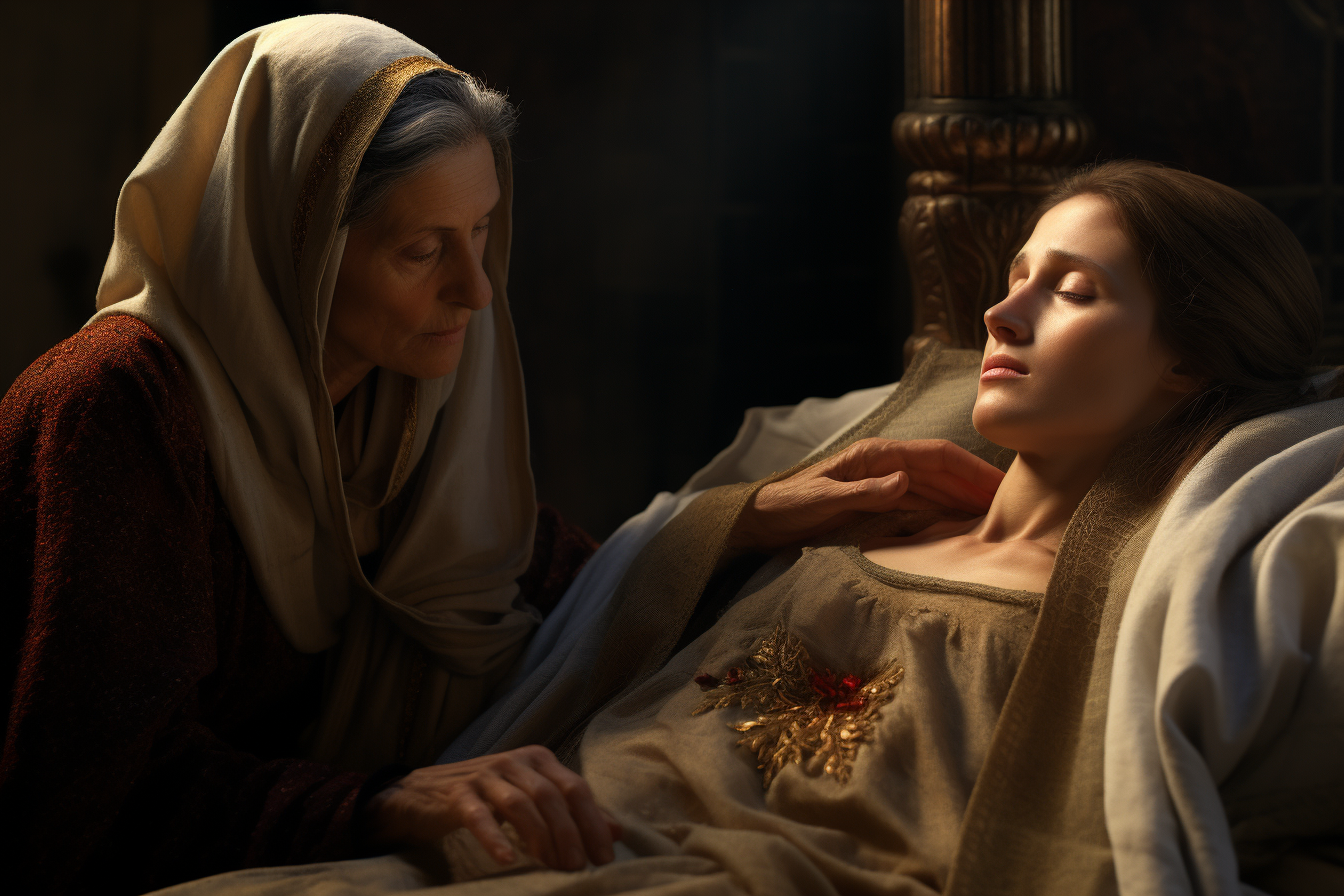
St. Frances of Rome caring for a sick woman

During a time of flood and famine, with her authority as the mistress of her household, she was able to turn part of the family’s country estate into a hospital. She also distributed food and clothes to the poor. She also went on to make their beds and clean their sores.

St. Frances’ father-in-law was not happy with the way she was giving household supplies to the poor, and at some point he took the keys to the supply rooms from her. However, he later returned them to her.

St. Frances is known for fasting a lot, and she is said to have developed continuous suffering.

St. Frances is also believed to have had visions, which were usually in the form of drama enacted for her by heavenly personages. She also had the gift of miracles and ecstasies, as well as bodily visions of her guardian angels.

She also had visions of Hell and Purgatory and foretold the end. St. Frances was also capable of reading the secrets of conscience and detecting plots of evil origin.

St. Frances was remarkable for her humility, detachment, obedience, and patience.

Impact of Power Struggles

There was a time when there was a war between the pope in Rome and various anti-popes, and her husband was in support of the pope. This resulted in their son Battista having to be delivered as a hostage to the commander of the Napoleon Troops (anti-popes), and she escorted him to the soldiers.

On her way to meet the soldiers, she entrusted her son’s life to the blessed mother, and when they finally met with the soldiers and her son was put on the horse, the horse refused to move. Despite all efforts, including heavy whipping, the horse did not move. The soldiers then returned Battista to his mother, as they saw the hand of God in this.

Also due to St. Frances’ husband’s support of the pope, they were forced into exile, and much of Lorenzo’s property and possessions were destroyed. He was also severely injured, and his wife, St. Frances, nursed him.

During the time when her husband was injured and their household was attacked, she was the only one who remained strong and kept the faith, yet everyone grieved the misfortunes that had befallen them.

The city of Rome was in chaos during this time when the pope and various powers were having power struggles. During this time, St. Frances also opened her home as a hospital. Unfortunately, St. Frances and Lorenzo lost two children during the plague.

Her Legacy

On August 15, 1425, St. Frances founded the Olivetan Oblates of Mary, which is a confraternity of pious women under the authority of Olivetan monks.

In March 1433, she also founded the monastery at Tor de’ Specchi, which allowed those members of the confraternity who felt so called, and this monastery remains the only house of the institute.

The community later became known as the Oblates of St. Frances of Rome. St. Frances remained in her home, nursing her own husband for the last seven years of his life. After her husband’s death in 1436, she moved into the monastery and became the superior.

Her grave was identified in 1638, and her remains, which were now mainly bones, were reburied in the church of Santa Maria Nova on March 9, 1649. Her bones were exhumed again in 1869, and they are now displayed in a glass coffin for veneration.

The church of Santa Maria Nova is now usually referred to as the Church of St. Frances.

She was canonized in 1608, and March 9 is considered her feast day.

St. France is known as the patron saint of automobile drivers because there is a legend that says an angel used to light the road before her with a lantern when she traveled.

St. Frances is also known as the patron saint of all oblates and the patron saint of widows.

6 Interesting Facts About St. Frances of Rome

  1. Even though she was in an arranged marriage, it was a happy one.
  2. Soon after her marriage, St. Frances fell ill, and she claimed that
    St. Alexis appeared to her and cured her.
  3. Her father-in-law saw that even though she was taking supplies
    from the household to give to the poor, they will be replenished when
    She finished the prayer.
  4. Over 60 cases attested to her gift of healing during her
    canonization proceedings.
  5. She personally drove her wagon in search of firewood and herbs.
    for medicine
  6. Her remains were found intact some months after her death.

Prayer to St. Frances of Rome

Merciful Frances, in France and Rome, you have given us a unique example of love in marriage as well as in religious life. Keep us faithful in your service, and help us to see and follow you in all aspects of life. Through our Lord Jesus Christ, your Son, who lives and reigns with you in the unity of the Holy Spirit, one God, forever and ever Amen

St. Lorenzo Ruiz

When they lived:

St. Lorenzo Ruiz, a remarkable figure in the annals of history, lived during the late 16th and early 17th centuries. He was born around 1600 in Binondo, Manila, which was then part of the Spanish Philippines.

Where they lived:

Lorenzo Ruiz’s life unfolded against the backdrop of Manila, a bustling city that was part of the vast Spanish colonial empire in Asia. His early years were marked by the intertwining of cultures and influences, as the Philippines became a melting pot of various civilizations.

Notable world events during the time of their life:

  • Kepler’s Laws of Planetary Motion (early 17th century): As Lorenzo Ruiz navigated the challenges of his life, the scientific world was undergoing a revolution. Johannes Kepler’s formulation of the laws governing planetary motion reshaped humanity’s understanding of the cosmos, opening new avenues of inquiry into the nature of the universe.
  • The Thirty Years’ War (1618-1648): This devastating conflict engulfed Europe and had far-reaching consequences, reshaping political boundaries and altering the course of history. While Lorenzo Ruiz’s world was distant from the war’s epicenter, it symbolized the turbulence and uncertainty of the times.
  • The Taj Mahal Construction (1632-1653): While St. Lorenzo Ruiz’s life was marked by personal trials, on the other side of the world, the construction of the iconic Taj Mahal was underway. This architectural marvel stands as a testament to the creative genius and cultural richness of the Mughal Empire in India.
  • Galileo’s Trial (1632): In a momentous clash between science and religion, Galileo Galilei faced trial for advocating the heliocentric model of the solar system, challenging prevailing religious dogma. This event mirrored the tensions and debates that Lorenzo Ruiz may have witnessed within his own Catholic faith.

Patronage:

St. Lorenzo Ruiz, canonized as the first Filipino saint and known as the “Protomartyr of the Philippines,” is revered as the patron saint of a variety of causes. His patronage extends to:

  • Filipino migrants and overseas workers: Lorenzo Ruiz’s own journey as a missionary and martyr resonates with the struggles and challenges faced by modern Filipino migrants seeking a better life abroad.
  • Martyrs: St. Lorenzo Ruiz’s willingness to sacrifice his life for his faith has made him a symbol of courage and devotion for all those who have endured persecution and hardship due to their beliefs.
  • The Philippines: As a figure deeply rooted in the country’s history, Lorenzo Ruiz serves as a reminder of the enduring Filipino spirit and resilience.

The Remarkable: Martyrdom and Canonization

As we trace the footprints of Lorenzo’s life, we find ourselves on the precipice of his most remarkable, poignant act – his martyrdom. The gleaming heart of his tale lies not in his birth, but rather in his extraordinary death and the profound faith that underpinned it.

On the cold, cruel execution grounds of Nagasaki, Lorenzo’s faith was tested. The echoes of his profound declaration at his trial, ring loud and clear, a stark testament to his undying faith. “I am a Catholic and wholeheartedly do accept death for God. Had I a thousand lives, all these to Him shall I offer.” His voice, firm against the cacophony of his accusers, radiates a defiance that resonates through the annals of time. Lorenzo’s brave commitment to his faith in the face of death continues to reverberate across the centuries, shaping the narratives of courage and faith.

But Lorenzo’s story does not end with his martyrdom. Rather, it ascends to a new realm, one of reverence and devotion, as his tale reaches the Vatican. The canonization of Lorenzo by Pope John Paul II on October 18, 1987, marks an epochal event. Here, an ordinary Filipino layman ascends to sainthood, becoming the first Filipino saint. His life – a story woven by humble beginnings, embroidered with sacrifice, and culminated in eternal honor – paints a vibrant picture of faith, courage, and resilience.

The radiant core of Lorenzo’s martyrdom is the transformation of an ordinary man into an extraordinary saint. His tale resonates with the powerful reminder that sainthood is not the exclusive domain of the clergy or the mystics, but can also be the destiny of ordinary individuals living lives of extraordinary faith and commitment.

As we unravel this tale further, we step back into the past, into the dawn of Lorenzo’s life, to understand how the seed of such unwavering faith was sown and nurtured. So, let us journey to the cobblestone streets of 17th century Manila, where the tale of our Patron Saint begins…

Early Life and Faith Formation

Delving into the dawn of Lorenzo’s life, we find ourselves amidst the hustle and bustle of 17th century Manila, where our tale begins. Amid the thrumming life of this vibrant city, a child named Lorenzo Ruiz was born around the year 1600, his life as yet untouched by the extraordinary destiny that awaited him.

Raised in the historic district of Binondo, Lorenzo’s early life was woven into the fabric of a devout Catholic community. His parents, firm in their faith, nurtured Lorenzo in the warm cradle of Catholicism. The whisperings of prayers, the chiming of church bells, and the hallowed rituals of the faith were the rhythms that defined his childhood.

Education, for young Lorenzo, was an affair of faith and learning. Taken under the wing of Dominican friars, he was educated at the Convent of Santo Domingo. These hallowed halls, teeming with knowledge and devotion, shaped his early understanding of faith and spirituality. Here, serving as an altar boy, he discovered a sanctuary, a space where his faith could blossom.

Yet, Lorenzo was not just a man of faith, but also a man of family. As he grew, he embraced the mantle of husband and father, wedding Rosario, a native woman, and fathering three children. His family, his domestic life, added layers to his faith, giving it depth and texture. Faith, for Lorenzo, was not merely practiced in the quiet solitude of the church but also lived amidst the clamor of family life, tested and proven in the crucible of daily living.

This background, both humble and richly textured, laid the foundation for the journey Lorenzo was yet to embark upon. The ordinary life he led in Manila was soon to take an extraordinary turn, steering him toward an unexpected path, an unforeseen destiny. The road to martyrdom and sainthood was yet unseen but imminent, its first steps paved in the heart of Binondo and the Convent of Santo Domingo. As we tread further, we find Lorenzo sailing into the unknown, a journey that would inscribe his name in the annals of faith forever…

The Journey to Martyrdom

The winds of fate are capricious and unpredictable, and for Lorenzo, they carried him far from the familiar streets of Manila, to a land where faith was a crime and belief, a death sentence. His journey from the Philippines to Japan was not one of pilgrimage or mission but an unexpected twist of destiny, fueled by the need to escape a dubious accusation.

The year was 1636, and Lorenzo found himself a wanted man, implicated in a crime he did not commit. With danger looming over his head, he took the fateful decision to flee aboard a ship, unknowingly setting a course towards his extraordinary destiny. The ship carried him to Okinawa and then to Japan, lands where the shadows of persecution loomed ominously over the Christian faith.

Japan, under the rule of the Tokugawa shogunate, was a furnace of Christian persecution. The once flourishing Christian community was under the crushing weight of religious oppression. Believers were driven underground, their faith a clandestine whisper amidst the deafening roar of oppression. Into this treacherous landscape stepped Lorenzo, unknowingly trading one danger for another.

In the spring of 1637, Lorenzo, along with his companions, found themselves ensnared in the grip of the Tokugawa shogunate. Arrested in Osaka and transported to Nagasaki, the stage was set for a trial that would test their faith to its limits.

The trial of Lorenzo and his companions was not a quest for justice but a brutal gauntlet designed to shatter their faith. Subjected to the torment of the ‘water torture,’ they were hung upside down over a pit, the world inverted as they clung to their beliefs. Yet, Lorenzo’s faith remained unbroken. His response to his torturers would echo through the ages, a testament to an indomitable spirit: “I am a Catholic and wholeheartedly do accept death for God. Had I a thousand lives, all these to Him shall I offer.”

In the face of brutal torture and the promise of death, Lorenzo held steadfast, embodying the extraordinary strength and resilience of faith. His path to martyrdom was paved not in defeat but in the triumphant affirmation of his beliefs. Yet, Lorenzo’s tale does not end with his death but lives on in the enduring legacy he left behind…

The Legacy of St. Lorenzo Ruiz

The legacy of Lorenzo Ruiz is not carved in stone, rather it lives, breathes, and thrives in the hearts of the faithful. His life, his sacrifice, and his unyielding faith cast a long, influential shadow, reaching far beyond the execution grounds of Nagasaki, across oceans and centuries, to touch millions of lives.

In the devout corners of the Philippines, in the quiet reverence of churches and the fervor of family prayers, the spirit of Lorenzo is vibrantly alive. As the Patron Saint of the Philippines and of Overseas Filipino Workers, he embodies the strength, resilience, and deep-seated faith of the Filipino people. The celebration of his feast day on September 28th brings forth a tidal wave of devotion and remembrance, sweeping across the Philippines and reaching every corner of the globe where Filipinos have set foot.

His influence extends beyond the boundaries of his homeland. Lorenzo’s tale has etched itself into the broader narrative of Christianity, a vibrant testament to the power of unwavering faith and the ultimate sacrifice. He stands as a reminder that the roots of faith can hold firm even in the harshest storms of persecution.

Modern-day Christianity, in its quest for role models of faith and perseverance, often finds itself returning to the story of Lorenzo Ruiz. His narrative is invoked in sermons, explored in theological discussions, and reflected upon in personal contemplation. Lorenzo’s life presents enduring lessons of courage in the face of adversity, commitment to faith, and sacrifice for one’s beliefs.

The humble layman from Manila, the dutiful server at Santo Domingo convent, the devoted husband and father, the brave martyr of Nagasaki, and the first canonized Filipino saint, Lorenzo Ruiz continues to inspire, his life a beacon of faith in a world in desperate need of hope and strength.

As we bring this exploration to a close, we look back at Lorenzo’s remarkable journey, a testament to an ordinary life imbued with extraordinary faith and commitment, inspiring us to reflect on our own paths and the power of unwavering faith…

Conclusion

As we conclude our exploration into the extraordinary life of Lorenzo Ruiz, we find ourselves not at an end, but at a beginning. The tale of Lorenzo, the humble man from Manila who became a beacon of faith and courage, is more than a historical account. It is an invitation – a call to contemplate the depth of our own faith and the strength of our convictions.

In his life, we see the remarkable transformation of an ordinary individual into a figure of extraordinary faith and courage. We witness the journey of a man who held steadfast to his beliefs even when faced with the ultimate test. Lorenzo Ruiz, in his martyrdom, became a testament to the power of faith and the strength of the human spirit.

In his story, we are reminded that extraordinary courage and faith are not the exclusive domain of the clergy or the mystically inclined. They can be found in the most ordinary of lives, waiting to be awakened by extraordinary circumstances. We are reminded that our faith, like Lorenzo’s, can stand the test of adversity, and in doing so, becomes a source of inspiration for others.

St. Lorenzo Ruiz, a name whispered with reverence, a story told with admiration, a legacy that continues to inspire, is more than just the Patron Saint of the Philippines. He is a testament to the resilience of faith, the courage of the ordinary individual, and the potential for extraordinary transformation that resides within each one of us.

As we step away from the tale of St. Lorenzo Ruiz, we carry with us the echoes of his indomitable spirit, his unwavering faith, and his unflinching courage. May his life story continue to inspire us, to guide us in our moments of trial, and to remind us of the extraordinary power of faith in the face of adversity.

In the words of Lorenzo himself, “Had I a thousand lives, all these to Him shall I offer.” With these words resonating in our hearts, let’s celebrate the life, the courage, and the enduring legacy of St. Lorenzo Ruiz.

Five Interesting Facts About St. Lorenzo Ruiz

  • St. Lorenzo Ruiz is the first Filipino saint and protomartyr to be canonized.
  • The beatification of St. Lorenzo Ruiz by Pope John Paul II on February 18, 1981, was held in Manila. This was the first beatification ceremony ever held outside the Vatican!
  • St. Lorenzo Ruiz is the patron saint of Filipino youth, the Philippines, people working overseas, and altar servers.
  • When he was offered to recant his faith and be spared, St. Lorenzo Ruiz told his interrogators, “Had I many thousands of lives, I would offer them all for him. Never shall I apostatize. You may kill me if that is what you want. To die for God, such is my will.”
  • The major church dedicated in honor of St. Lorenzo Ruiz is the Minor Basilica and National Shrine of Saint Lorenzo Ruiz, formerly known as Our Lady of the Most Holy Rosary Parish, in his hometown of Binondo, Manila.

Prayer to St. Lorenzo Ruiz

O most merciful and almighty God, You bestowed as a gift to Lorenzo Ruiz The strength to withstand the overpowering forces of death For the sake of his faith in You. Through his prayers,Help us to follow his example by overcoming all life’s trials and eventually increasing our hope and love for You. St. Lorenzo Ruiz, you brought honor to your country, having been a level-headed and prudent father of the family and a witness of Christ in your life until your death.

We present all our petitions to God through your help so that, by our actions, We may know more and love more Jesus, our Lord and Savior. We humbly implore your intercession, dear St. Lorenzo, for the infinite glory of God and in honor of your triumph as a martyr of Christ and defender of Christianity. Amen.

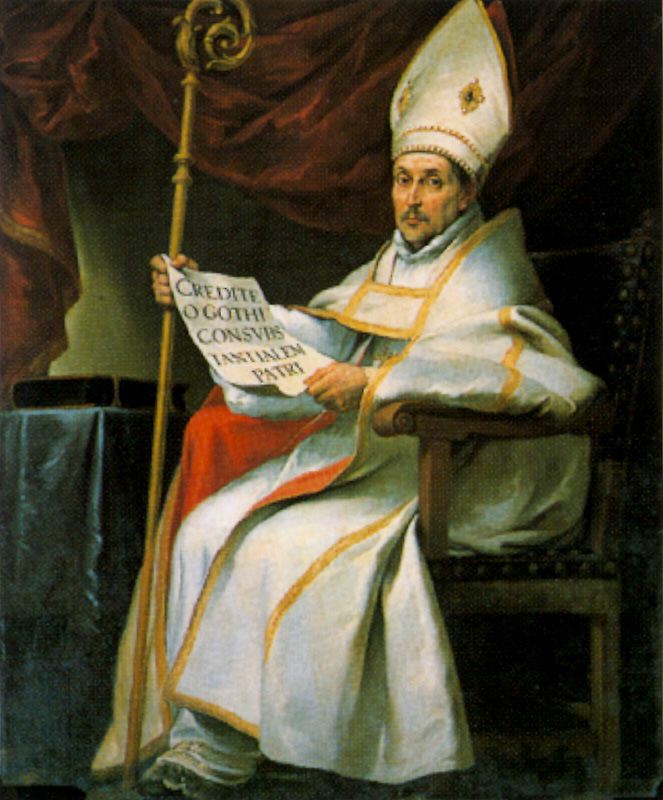
St. Leander of Seville

When they lived: St. Leander of Seville, also known as Saint Leander the Younger, lived during the late 6th and early 7th centuries. He was born around the year 534 and passed away in 600 or 601 AD.

Where they lived: St. Leander lived in the city of Seville, which was part of the Visigothic Kingdom in what is now modern-day Spain. At the time, Seville was an important center of culture and learning in the Visigothic realm.

Notable world events during the time of their life:

  • End of the Western Roman Empire (476 AD): St. Leander’s lifetime coincided with the aftermath of the fall of the Western Roman Empire. The shifting political landscape in Europe during this time had significant impacts on culture, governance, and society.
  • Byzantine-Persian Wars (6th and 7th centuries): The ongoing conflicts between the Byzantine Empire and the Sassanian Persian Empire had far-reaching consequences for the regions involved, shaping trade routes, diplomacy, and political alliances.
  • Gregorian Mission to England (597 AD): Pope Gregory the Great’s mission to convert the Anglo-Saxons of England to Christianity began around the same time as St. Leander’s lifetime. This event marked a significant religious and cultural shift in England and had lasting implications for the spread of Christianity.
  • Birth of Islam and the Prophet Muhammad (7th century): While St. Leander’s life predates the full emergence of Islam, his passing occurred during the early years of the religion’s development. The birth of the Prophet Muhammad in 570 AD marked the beginning of a new major world religion that would eventually have a profound impact on global history.
  • Transition from Late Antiquity to the Early Middle Ages: St. Leander lived during a period of significant transition, as Late Antiquity gave way to the Early Middle Ages. This era saw shifts in political power, cultural norms, and intellectual pursuits.

Their patronage: St. Leander of Seville is notably recognized as the patron saint of scholars, students, and teachers. His strong commitment to education and his role in preserving and promoting learning during a time of cultural change make him a fitting patron for those who seek knowledge and enlightenment. As a scholar and theologian, St. Leander’s influence extended beyond his own lifetime, leaving a legacy that continues to inspire those dedicated to the pursuit of wisdom and understanding.

From a Monk to a Bishop

St. Leander of Seville was born around the year 534 in Cartagena, Spain. He was the son of Severianus and Theodora, who belonged to a noble family of Hispano-Roman descent in Carthago, Nova. His family was known for their piety and devotion to the faith.

Around the year 554, Leander’s family moved to Seville. As a young man, Leander entered a Benedictine monastery in Seville, where he spent three years in prayer and study. His tranquil life as a monk ended when he was made Bishop of Seville around 579.

Defending the Faith Against Arianism

Bishop Leander did not waste any time. He established a school that became renowned as a center of orthodoxy and learning. During his time, the heresy of Arianism was spreading. This heresy believed that Jesus was not like God the Father but was just a creature made in time. Thus, Arianism denied the divinity of Christ. As the Bishop of Seville, Leander also became a great defender of the faith against Arianism.

Bishop Leander had also befriended Princess Ingunthis. He also assisted her in her attempts to have her husband convert to Christianity. Princess Ingunthis’ husband was the son of Leovigild, the Arian King of the Visigoths. Upon learning of his son’s conversion to the faith, Leovigild was enraged. He sent Bishop Leander into exile. He resided in Byzantium from 579 to 582.

Exiled and Returned

While he was in exile, Bishop Leander wrote many important manuscripts against Arianism. He also met Gregory, who soon became Pope Gregory the Great. They developed a close friendship, and Leander encouraged Gregory to write the Moralia, a renowned commentary on the Book of Job. For many years, Leander and Gregory continued to correspond with each other in such endeavors.

In 585, Leovigild had his own son, Hermenegild, executed. Four years later, Leovigild died. It was under the reign of King Reccared that Bishop Leander was able to return to Seville. He continued his work of promoting the true faith and fighting against the Arian heresy. He and the new king worked hand in hand to restore orthodoxy and moral uprightness in Seville.

Bishop Leander also presided over the third local Council of Toledo in 589, where many moral changes were brought about. In the same Council, the consubstantiality of the three Divine Persons of the Holy Trinity was decreed. Through Bishop Leander’s wisdom and enduring defense of the faith, the Suevi and the Visigoths were led back to the Church. He also wrote an influential Rule for nuns.

Bishop Leander died around the year 600. He was succeeded as Bishop of Seville by his brother, Isidore, who was also later canonized. His feast day is February 27.

Five Interesting Facts About St. Leander of Seville

  1. St. Leander of Seville was responsible for introducing the Nicene Creed at Mass. He ordered that the Creed be recited by all Catholics at Mass each Sunday as a way to reinforce the Catholic Faith. This became a universal custom and is still part of the Sunday Mass up to the present day.
  2. St. Leander of Seville’s siblings, Isidore of Seville, Fulgentius of Ecija, and Florentina of Cartagena, were all canonized saints like him.
  3. St. Leander of Seville is remembered as a gifted author. Only two of his writings survive: a homily “On the Triumph of the Church” delivered during the Council of Toledo and a monastic rule written for his sister, Florentina.
  4. St. Leander of Seville is honored as a Doctor of the Faith by the Church in Spain.
  5. St. Leander of Seville was visited by frequent ailments, particularly gout.

Prayer to St. Leander of Seville

Lord God, who graciously imbued blessed Leander with heavenly doctrine, grant, through his intercession, that we may keep that same teaching faithfully and express it in what we do. Through our Lord Jesus Christ, your Son, who lives and reigns with you in the unity of the Holy Spirit, one God, for ever and ever Amen.

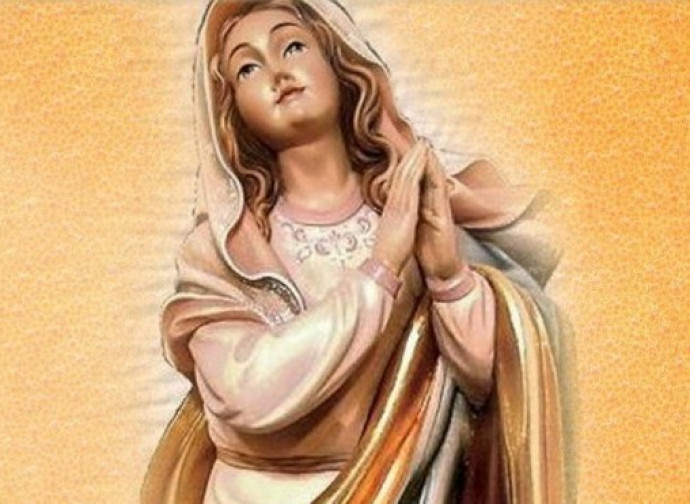
St. Lea

When they lived: St. Lea lived during the late 4th century and early 5th century, specifically from around 350 to 384 AD.

Where they lived: St. Lea was born and lived in Rome, which was a bustling center of culture, politics, and religion during her time.

Notable world events during the time of their life:

  • Fall of the Western Roman Empire (476 AD): St. Lea’s lifetime witnessed the decline and eventual fall of the Western Roman Empire. This event marked a significant turning point in European history, leading to the fragmentation of the Roman territory and the rise of various successor kingdoms.
  • Sack of Rome by the Visigoths (410 AD): Around 410 AD, Rome was captured and looted by the Visigoths, an event that shook the Roman world and had profound implications for the perception of the city’s invincibility.
  • Council of Constantinople (381 AD): The Second Ecumenical Council, held in Constantinople, affirmed key doctrines of Christianity.
  • Founding of the City of Venice (421 AD): The founding of Venice in 421 AD marked the beginning of a unique and influential city-state that would become a hub of trade, culture, and power in the Mediterranean region.
  • Life and Work of St. Augustine (354-430 AD): St. Augustine, a prominent theologian and philosopher, lived during a similar time as St. Lea.

Their patronage: St. Lea is known as the patron saint of widows and mothers who have lost children. Her life and devotion to her faith serve as an inspiration to those who have faced loss and adversity.

Early Life

St. Lea was born in Rome, Italy. All that is known of the female saint was gathered from her very close friend, Saint Jerome, a scholarly monk. St. Lea lived almost a low-key life, and only a few pieces of information can be gathered about her. After her short-lived marriage ended with the death of her husband, St. Lea put down all of the wealth and riches in her possession to pursue the work of the Lord. It was unusual—a wealthy widow preferring to live a simpler, less wealthy life. She got into the convent of consecrated virgins the city had, where, for many years to come, she would be honored as the convent’s prioress. Her name is believed to have been a derivation of the Hebrew female name Leah, which means weary,” or the Akkadian name, which means “ruler,” or still the Chaldean name, which means “mistress”.

Call to Dedication and Devotion

After she had joined the convent upon the death of her husband, St. Lea invested in supporting the convent house, which was run by Saint Mary, who would later grow, as many other people would, to be fond of her. She was dedicated to serving as a menial servant until years later, when she became a group’s superior. Regardless of how much wealth she owned, she was still well known to be humble, obedient, and of remarkable penance. In a note to St. Marcella, St. Jerome exhaustively speaks of St. Lea’s virtue when she died in the year 384. There, he’d noted that St. Lea was blessed and that following her remarkable work on earth while she was still alive, heaven was the sure end for her. St.Jerome did not fail to mention how much of a servant St. Lea was, selfless to the core, to see someone else have something they needed. Given the fact that she was so wealthy she could get a very high-class life, St. Jerome mentioned that she preferred to be dressed in rags, preferred to go hungry, cared less how old her hair was becoming, and cared less if she had even had something to eat for herself because someone around her needed more care than her.

Morals to be learned from the life of St. Lea include that irrespective of how much wealth one has, there should be in their hearts a place for humility, selflessness, and submission to authority. In addition to that, as St. Jerome mentioned at the closure of his letter to St. Mary, Christians shouldn’t be seeking Christ while at the same time seeking the pleasures of the world.

Legacy

The only known legacies of St. Lea at the moment are those of those whose lives she blessed during her existence. Her devotion and dedication to God’s sanctuary and people are also legacies left by this female saint. By living an honest, straightforward, and humble life, St. Lea has thought about and continues to teach people how not to value the place of material wealth over Christ’s purpose for life.

A plus to these is the honor she’s received from the convent of her residence, where she was named the convent’s prioress.

Death

St. Lea breathes her last breath in the year 383.

Feast Day

Every March 22nd, St. Lea’s feast day is celebrated.

Prayer to St. Lea

Lord, amid the things of this world, let us wholeheartedly be committed to heavenly things in imitation of the example of evangelical perfection You have given us in St. Lea. Amen.

Source:https://www.divine-redeemer-sisters.org/saint-of-the-day/march/22-st-lea-widow

St. Junipero Serra


St. Junipero Serra – A Historical Overview

When They Lived:

St. Junipero Serra lived from November 24, 1713, to August 28, 1784.

Where They Lived:

St. Junipero Serra lived in various locations across Spain and the Americas, most notably in Mallorca, Mexico, and California.

Notable World Events During Their Time:

  • Seven Years’ War (1756-1763): This global conflict involving major European powers also had repercussions in the Americas, influencing territorial control and trade dynamics.
  • American Revolution (1775-1783): The American colonies fought for independence from British rule, impacting the geopolitical landscape and inspiring ideas of liberty and self-determination.
  • Industrial Revolution: The 18th century marked the beginning of the Industrial Revolution, characterized by advancements in manufacturing, transportation, and technology that transformed societies worldwide.
  • Captain James Cook’s Voyages: Explorer Captain Cook’s voyages to the Pacific in the 1760s and 1770s revealed new lands, cultures, and scientific findings, expanding the world’s knowledge and inspiring further exploration.
  • Enlightenment Era: The Enlightenment was a period of intellectual and philosophical development, promoting reason, individualism, and scientific inquiry, which laid the foundation for societal changes and modern thought.
  • Benjamin Franklin’s Experiments: The pioneering experiments of Benjamin Franklin during this time contributed to a better understanding of electricity and lightning, fostering scientific progress.
  • French Revolution (1789-1799): The French Revolution, beginning shortly after St. Junipero Serra’s death, marked a significant shift in political ideology, leading to widespread changes in France and beyond.

Patronage:

St. Junipero Serra is known as the patron saint of vocations, particularly those related to mission work and evangelization. He is also considered a patron of Hispanic Americans and indigenous peoples of the Americas, as he played a key role in establishing missions that had a lasting impact on these communities. His dedication to spreading Christianity and his contributions to the establishment of missions in California make him an inspiring figure for those seeking to bring positive change and spiritual guidance to diverse populations.

Early Life

Junipero Serra was born Miguel Joseph Serra I Ferrer on November 14, 1713, on Mallorca, an island off the Spanish coast. His parents, Antonio Nadal Serra and Margarita Rosa Ferrer, were wheat and bean farmers.

From an early age, Serra knew that the Catholic Faith was of great importance and would often visit the friars at the Franciscan Order. At the age of 15, Serra enrolled in a Franciscan school in the capital city, Palma de Majorca, and a year later, at the age of 16, he became anovice of the Franciscan order.

Serra took the name Junipero, a brother companion of St. Francis, when he took his first vows in 1731, and by 1737, he was ordained as a priest in the Franciscan order. Although Serra showed remarkable promise as a scholar and professor, he realized that his true calling lay in missionary work after reading about St. Francis Solanus, a brave South American missionary.

This discovery led him to a life in North America, never to return home again.

Life in North America

Serra’s journey to North America started in 1748, and he arrived in Veracruz on the Gulf Coast of New Spain, now known as New Mexico, in 1749, before traveling 250 miles by foot to their destination of Mexico City. Serra spent less than six months at the College of San Fernando before joining the volunteers for the Sierra Gorda missions and beginning to build a reputation as an advocate for the natives through his generous and loving response to the needs of the poor and vulnerable in his charge.

He went on to spend eight years with the Pame Indians. During his apostolate with them, he ensured the construction of a church and developed his mission in religious and economic directions. Through his zealous preaching, he brought the Pame people to practice the faith. In 1758, Serra returned to the College of San Fernando but continued his calling as a missionary, preaching in numerous cities and becoming president of missions in California.

St. Junipero Serra with a group of Native American children

Establishing his headquarters in Mission San Carlos Borromeo in Carmel,Serra started receiving natives into the Church. Conversion to the faith was not a requirement.

As an outspoken defender of their human rights, Serra was fearless in calling out the government for its abuse of them. Through the rising tensions, Serra visited Mexico City to promote a mission that focused on the salvation of souls over domination and conquest, and the rules that he presented during his visit would later serve as the basis for the first major laws of California.

Serra volunteered himself to join an expedition to Upper California. On his way to San Diego, he founded his first mission at San Fernando de Velicata in 1769 and pledged the next fifteen years of his life to evangelical work in Upper California.

At the End

St. Junipero Serra died a peaceful death at the age of 70 after a life spent in devotion to God in 1784 at his home at the Carmel Mission. He was buried on the floor of the Church that he had built.

By the end of 1784, 6,736 Indians had been baptized at the nine missions Serra had established, while 4,646 Christianized Indians called the missions home.

In character, Serra was described as being eager, optimistic, zealous, and passionate about his faith and way of preaching, and he fought endlessly for the freedom of the Church against royal infringement.

Canonization

Junipero Serra became the first American saint of Hispanic origin to be canonized in 2015 when Pope Francis declared him a saint on a trip to Washington, DC. This historic declaration formed part of the Pope’s first visit to the States and was the first canonization of Americans.

The Patronage and Veneration of Junipero Serra

Saint Junipero Serra is the patron saint of vocations to Church ministry in California, where he was instrumental in building the Church on the west coast of America.

On the day Junipero Serra was canonized, Pope Francis described him as a special patron of Hispanic Americans.

In 1988, Serra was honored by Pope John Paul II when he declared him blessed and beatified. Junipero Serra is described as a Catholic leader worthy of veneration and devotion.

Today, various institutes and organizations carry Saint Junipero Serra as their patron saint, with his exemplary example of missionary zeal and passion for the Gospel at the root of their missions and teachings.

Numerous statues and memorials have been built to celebrate this place in American history.

5 Interesting Facts About St. Junipero Serra

  • Serra was baptized on the same day he was born because he was sick.
    and not believed to live for a long time, and his two older
    siblings hadn’t survived childhood.
  • While Junipero Serra was an outspoken advocate for the rights of the
    Indians, he believed in corporal punishment when the rules were
    broken.
  • Serra thought of himself as a “sinner” and “most unworthy.
    priest.”
  • To purify his spirit, Junipero Serra would punish himself.
    physically.

Prayer to St. Junipero Serra

O God, in Your ineffable mercy, You chose Saint Junipero Serra as a means of gathering many peoples of the Americas into Your Church. Grant that through his intercession our hearts may be united in You in ever greater love, so that at all times and in all places we may show forth the image of Your Only-Begotten Son, our Lord Jesus Christ, who lives and reigns with You in the unity of the Holy Spirit, one God, forever and ever. Amen.

[https://www.missionsandiego.org/wp-content/uploads/2019/05/Monthly-Saint-Serra-Prayers-for-website.pdf]{.ul}

St. Julius

When They Lived:

St. Julius lived during the 4th century, from around 280 AD to 352 AD.

Where They Lived:

St. Julius resided in Rome, the heart of the Roman Empire, during a time of transition and tumultuous change.

Notable World Events during Their Time:

  1. Edict of Milan (313 AD): This groundbreaking decree marked the official tolerance of Christianity within the Roman Empire.
  2. Battle of Adrianople (378 AD): A significant battle that weakened the Roman military might and foreshadowed the eventual collapse of the Western Roman Empire.
  3. Council of Nicaea (325 AD): An ecumenical council that addressed theological disputes within Christianity and formulated the Nicene Creed.
  4. Founding of Constantinople (330 AD): Establishment of a new capital city, marking a shift in the center of political power within the Roman Empire.
  5. Death of Emperor Julian the Apostate (363 AD): The end of efforts to revive pagan practices, reaffirming Christianity’s dominance.

Scientific Discoveries and Notable Figures:

  • Ptolemaic System: The prevailing geocentric model of the universe during St. Julius’s lifetime.
  • Aryabhata: The Indian mathematician and astronomer who contributed to trigonometry and astronomy.
  • Roman Architecture: Continued development of Roman architecture, blending classical and Christian motifs.

Their Patronage:

St. Julius is recognized as the patron saint of hospitality and travelers. His life, emphasizing compassion and openness to strangers, resonates with the modern imperative to foster understanding and harmony in our diverse and evolving global society.

In Brief:

  • Pope Saint Julius I defended the Church against Arianism, a heresy denying Christ’s divinity.
  • His early life and strong faith prepared him for his election as the 35th Bishop of Rome.
  • Arianism emerged in the 4th century, threatening the unity and doctrine of the Church.
  • Pope Julius I convened the First Council of Nicaea, guiding the formulation of the Nicene Creed that refuted Arianism.
  • His defense demonstrated exemplary leadership, commitment to unity, and dedication to upholding the truth.
  • Pope Julius I’s personal piety, especially towards the Eucharist and prayer, inspired others.
  • His legacy inspires believers to uphold truth, foster unity, nurture personal piety, lead with humility, and defend orthodoxy.
  • Lessons include standing firm in convictions, pursuing unity with love and respect, nurturing spiritual life, leading humbly, and defending orthodox teachings.

Early Life and Papal Election
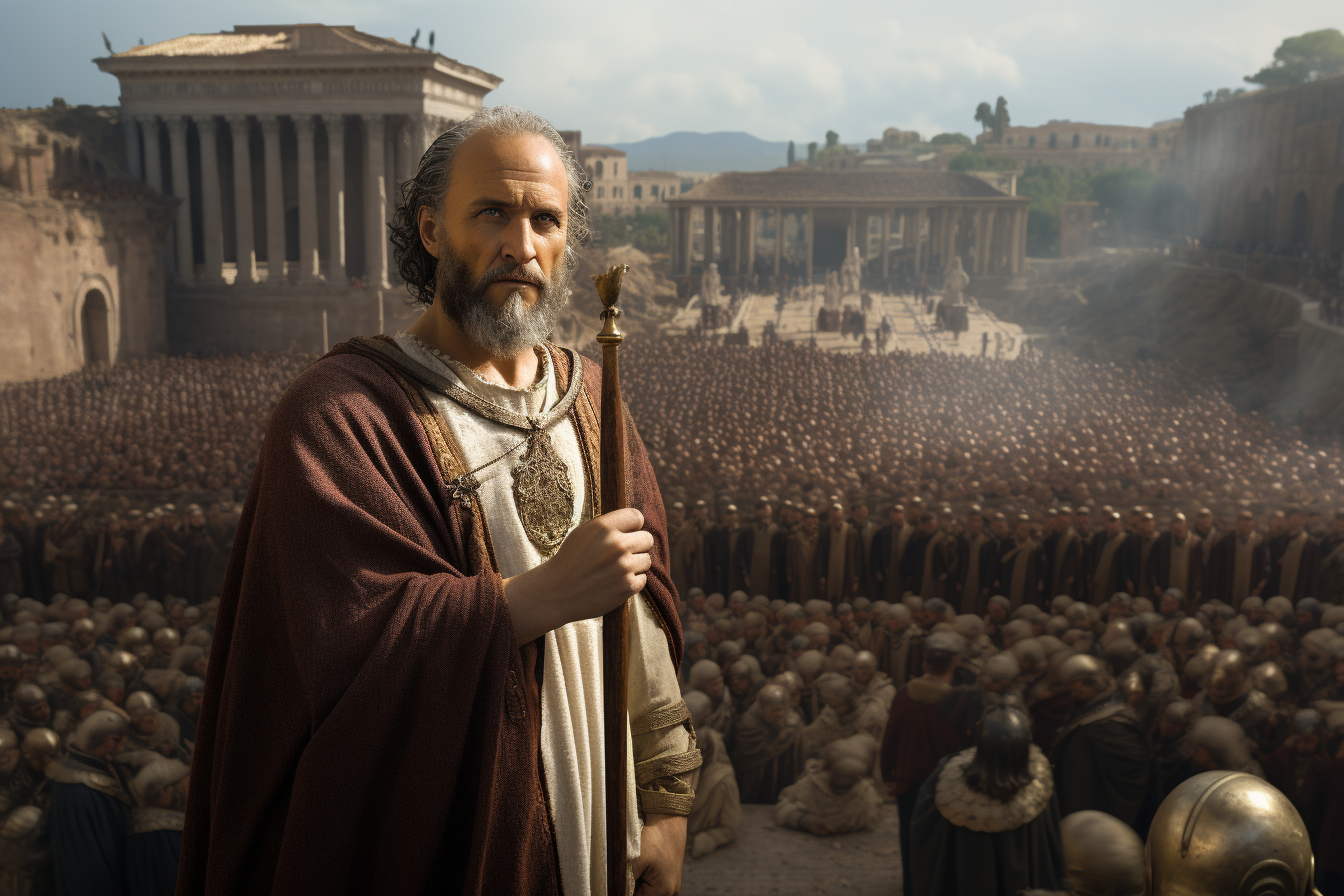
St. Julius standing in front of a crowd of people. They are all the Christians who see him as their leader.

Pope Saint Julius I, a significant figure in Christian history, was born in the 4th century and went on to become the 35th Bishop of Rome, serving as Pope from 337 AD until his death in 352 AD. His early life and journey to the papacy played an essential role in shaping his character and preparing him for the challenges he would later face, particularly in combating the Arian heresy.

Born into a devout Christian family, Julius grew up immersed in the teachings of the Church. He exhibited a strong faith from a young age and dedicated himself to the study of Scripture and theology. His deep knowledge of Christian doctrine and his virtuous character set him apart, earning him respect within the Christian community.

In 337 AD, following the death of Pope Mark, Julius was elected as his successor, becoming the Bishop of Rome and assuming the role of Pope. The election of Pope Julius I came at a crucial time when the Church faced numerous challenges, including the growing influence of Arianism.

The early years of Pope Julius I’s papacy were marked by his commitment to upholding the teachings of the Church and defending the divinity of Christ against the Arians. His election as Pope was a testament to his reputation as a man of strong faith, integrity, and leadership.

Throughout his life, Pope Julius I demonstrated qualities of humility, compassion, and a deep sense of responsibility towards the Church and its faithful. These qualities would become even more apparent in his efforts to combat the spreading Arian heresy and ensure the preservation of orthodox Christian teachings.

Pope Julius I’s early life experiences, along with his steadfast devotion to Christ and deep understanding of Christian doctrine, prepared him for the immense challenges he would face as Pope. His election to the papacy not only served as a recognition of his personal virtues but also reflected the trust placed in him to guide the Church through turbulent times.

As we delve further into Pope Saint Julius I’s life and his role in combating Arianism, we will witness how his unwavering commitment to the truth of the faith, his exemplary leadership, and his personal piety continue to serve as an inspiration and example for believers today.

The Emergence and Spread of Arianism

In order to understand the significance of Pope Saint Julius I’s efforts in combating Arianism, it is essential to grasp the context in which this heresy emerged and spread within the early Christian Church.

Arianism originated in the 4th century and was named after its founder, Arius, a presbyter from Alexandria, Egypt. This heretical movement denied the divinity of Christ and propagated the belief that Jesus, while a remarkable human, was not co-eternal or consubstantial with God the Father. According to Arianism, Jesus was seen as a created being inferior to God.

The rise of Arianism posed a significant threat to the unity and doctrine of the early Christian Church. It gained popularity due to its seemingly rational arguments and attracted followers, including influential bishops and theologians. The heresy spread rapidly, causing divisions and controversies within Christian communities across the Roman Empire.

One of the primary reasons Arianism gained traction was its appeal to those seeking a simpler explanation of the complex mystery of the Trinity. The Arians argued that their beliefs aligned with reason and scriptural interpretations, presenting an alternative to the traditional understanding of Christ’s divinity.

As Arianism continued to spread, it became a source of great concern for Pope Saint Julius I and other orthodox Christian leaders. They recognized the danger it posed to the fundamental teachings of the Church and the salvation of souls. Pope Julius I understood the urgent need to address this heresy and preserve the true faith handed down by the apostles.

The emergence of Arianism necessitated a response from the Church that would establish the orthodox Christian position and counteract the false teachings. Pope Julius I’s unwavering commitment to the truth of the faith, along with his position as Bishop of Rome, provided him with a significant platform to address this crisis.

In the next section, we will delve into Pope Saint Julius I’s defense against Arianism and examine the actions he took to combat this heresy. His efforts, particularly in convening the First Council of Nicaea, would prove instrumental in reaffirming the divinity of Christ and preserving the unity of the Church. Through his resolute stand against Arianism, Pope Julius I serves as an exemplar of courage and steadfastness in the face of doctrinal challenges.

Pope Saint Julius I’s Defense Against Arianism

Pope Saint Julius I’s unwavering commitment to defending the orthodox teachings of the Church led him to take decisive actions in combating the spread of Arianism. His leadership and dedication to preserving the truth of the faith played a crucial role in shaping the course of Christian history.

One of the most significant contributions of Pope Julius I in the fight against Arianism was his pivotal role in convening the First Council of Nicaea in 325 AD. Recognizing the urgent need to address the theological controversies surrounding the divinity of Christ, Pope Julius I saw the council as an opportunity to gather bishops from across the Christian world and affirm the orthodox position.

At the Council of Nicaea, Pope Julius I presided over the gathering of over 300 bishops who represented various regions of the Church. Together, they deliberated on the key issues at hand, with Arianism being the central concern. The council aimed to clarify the true nature of Christ and establish a unified understanding of the Trinity that aligned with apostolic tradition and Scripture.

During the council, Pope Julius I played a vital role in guiding the discussions and ensuring that the orthodox position on the divinity of Christ was upheld. He recognized the danger that Arianism posed to the unity of the Church and the integrity of its teachings. With great wisdom and pastoral care, he emphasized the importance of maintaining the orthodox faith and preserving the unity of the Church.

Under Pope Julius I’s leadership, the council produced the Nicene Creed, a significant statement of faith that affirmed the divinity of Christ and refuted the Arian heresy. The Nicene Creed declared that Jesus Christ was “begotten, not made, consubstantial with the Father,” firmly establishing the eternal and divine nature of Christ.

The decisions made at the First Council of Nicaea marked a turning point in the struggle against Arianism. Pope Julius I’s unwavering commitment to upholding the true faith and his efforts in presiding over the council ensured that the orthodox teachings of the Church prevailed over the heretical doctrines of Arianism.

Pope Julius I’s defense against Arianism extended beyond the council as well. He continued to confront Arian influences and promote the orthodox faith within the Roman Empire. He actively engaged with bishops and clergy, reinforcing the teachings of the council and fostering unity within the Church.

The legacy of Pope Saint Julius I’s defense against Arianism cannot be overstated. His leadership and steadfastness in upholding the orthodox faith played a vital role in preserving the integrity of Christian doctrine. The Nicene Creed, formulated under his guidance, continues to be recited by Christians worldwide, reaffirming the eternal divinity of Christ.

Pope Julius I’s defense against Arianism serves as a powerful example for believers today. His unwavering commitment to the truth of the faith, his leadership in times of theological crisis, and his dedication to unity within the Church all serve as lessons to be emulated. As we navigate the challenges and controversies of our own time, we can draw inspiration from Pope Saint Julius I’s example and strive to defend and uphold the orthodox teachings of the Christian faith.

Pope Saint Julius I’s Defense Against Arianism

Pope Saint Julius I’s unwavering commitment to defending the orthodox teachings of the Church led him to take decisive actions in combating the spread of Arianism. His leadership and dedication to preserving the truth of the faith played a crucial role in shaping the course of Christian history.

One of the most significant contributions of Pope Julius I in the fight against Arianism was his pivotal role in convening the First Council of Nicaea in 325 AD. Recognizing the urgent need to address the theological controversies surrounding the divinity of Christ, Pope Julius I saw the council as an opportunity to gather bishops from across the Christian world and affirm the orthodox position.

At the Council of Nicaea, Pope Julius I presided over the gathering of over 300 bishops who represented various regions of the Church. Among the notable saints who attended the council were Saint Athanasius, the great defender of orthodoxy against Arianism, and Saint Nicholas of Myra, known for his generosity and as the inspiration behind the figure of Santa Claus. These and other esteemed bishops united under Pope Julius I’s leadership to confront the Arian heresy and defend the true faith.

Together, they deliberated on the key issues at hand, with Arianism being the central concern. The council aimed to clarify the true nature of Christ and establish a unified understanding of the Trinity that aligned with apostolic tradition and Scripture.

During the council, Pope Julius I played a vital role in guiding the discussions and ensuring that the orthodox position on the divinity of Christ was upheld. He recognized the danger that Arianism posed to the unity of the Church and the integrity of its teachings. With great wisdom and pastoral care, he emphasized the importance of maintaining the orthodox faith and preserving the unity of the Church.

Under Pope Julius I’s leadership, the council produced the Nicene Creed, a significant statement of faith that affirmed the divinity of Christ and refuted the Arian heresy. The Nicene Creed declared that Jesus Christ was “begotten, not made, consubstantial with the Father,” firmly establishing the eternal and divine nature of Christ.

The decisions made at the First Council of Nicaea marked a turning point in the struggle against Arianism. Pope Julius I’s unwavering commitment to upholding the true faith and his efforts in presiding over the council ensured that the orthodox teachings of the Church prevailed over the heretical doctrines of Arianism.

Pope Julius I’s defense against Arianism extended beyond the council as well. He continued to confront Arian influences and promote the orthodox faith within the Roman Empire. He actively engaged with bishops and clergy, reinforcing the teachings of the council and fostering unity within the Church.

The legacy of Pope Saint Julius I’s defense against Arianism cannot be overstated. His leadership and steadfastness in upholding the orthodox faith played a vital role in preserving the integrity of Christian doctrine. The Nicene Creed, formulated under his guidance, continues to be recited by Christians worldwide, reaffirming the eternal divinity of Christ.

Pope Julius I’s defense against Arianism, alongside the notable saints who attended the First Council of Nicaea, serves as a powerful example for believers today. Their unwavering commitment to the truth of the faith, their leadership in times of theological crisis, and their dedication to unity within the Church all serve as lessons to be emulated. As we navigate the challenges and controversies of our own time, we can draw inspiration from Pope Saint Julius I, Saint Athanasius, Saint Nicholas of Myra, and the other esteemed bishops who defended orthodoxy at the Council of Nicaea and strive to defend and uphold the orthodox teachings of the Christian faith.

Exemplary Leadership and Unity

Pope Saint Julius I’s defense against Arianism was not only marked by his theological acumen but also by his exemplary leadership and unwavering commitment to unity within the Church. In the face of doctrinal disputes and challenges to the orthodox faith, Pope Julius I demonstrated qualities of courage, humility, and a deep sense of responsibility towards the well-being of the Christian community.

During his papacy, Pope Julius I faced significant divisions caused by the spread of Arianism. Despite the challenges, he remained steadfast in his efforts to preserve the unity of the Church. Recognizing the importance of a united front against heresy, he worked diligently to maintain open lines of communication and foster dialogue among bishops and clergy throughout the Roman Empire.

Pope Julius I understood that unity within the Church was not only a matter of doctrinal agreement but also a reflection of the love and harmony that should characterize the body of Christ. He emphasized the need for mutual respect, charity, and a shared commitment to upholding the orthodox faith.

In his interactions with bishops and theologians, Pope Julius I exemplified humility and a willingness to listen to various perspectives. He sought to resolve disputes through dialogue and sought the guidance of the Holy Spirit in discerning the truth. His leadership style was marked by a desire to maintain unity without compromising the essential teachings of the Church.

Pope Julius I’s commitment to unity extended beyond the Christian community in Rome. He actively engaged with bishops and clergy from various regions, recognizing the importance of collaboration and mutual support in addressing the challenges posed by Arianism. Through his diplomatic efforts, he sought to build bridges and foster a spirit of cooperation among the bishops.

In addition to his role as a unifying figure, Pope Julius I demonstrated a resolute determination to uphold the orthodox faith. He understood that the preservation of sound doctrine was essential for the spiritual well-being of the faithful and the overall health of the Church. His unwavering commitment to the truth of the faith served as a guiding light during a time of theological confusion and controversy.

Pope Saint Julius I’s exemplary leadership and dedication to unity serve as an inspiration for us today. In a world marked by divisions and disagreements, his example calls us to prioritize unity within the Church while remaining steadfast in upholding the teachings of Christ and the apostles. Pope Julius I reminds us of the importance of humility, dialogue, and the pursuit of truth in the face of challenges to the faith.

As we navigate the complexities of our modern world, we can draw upon the legacy of Pope Saint Julius I to guide our own leadership roles within the Church. His example encourages us to approach disagreements with charity and respect, to prioritize the unity of the body of Christ, and to remain steadfast in upholding the orthodox teachings of the faith.

Personal Piety and Devotion

Pope Saint Julius I’s defense against Arianism was not solely a result of his leadership and intellectual prowess but also rooted in his personal piety and deep devotion to Christ. His exemplary spiritual life and dedication to the sacraments served as a source of inspiration and strength in his role as Pope.

Throughout his papacy, Pope Julius I exhibited a profound reverence for the Eucharist, recognizing it as the true body and blood of Christ. He upheld the importance of the sacraments in nourishing the faithful and fostering their spiritual growth. His own participation in the Eucharistic liturgy and his encouragement of the faithful to partake in the sacraments exemplified his deep faith and understanding of their significance.

In addition to his devotion to the Eucharist, Pope Julius I demonstrated a strong commitment to prayer. He recognized the need for continual communion with God, seeking guidance and strength through his intimate relationship with the Lord. Prayer was not merely a duty but a way of life for Pope Julius I, allowing him to discern God’s will and persevere in his mission to defend the orthodox faith.

Pope Julius I’s personal piety and devotion to Christ were not confined to public ceremonies or official duties. He led a life of humility and simplicity, recognizing that true greatness lies in service to others. He lived out the teachings of Christ by caring for the poor, showing compassion to the marginalized, and extending mercy to those in need.

His personal example of holiness and virtue inspired those around him and contributed to the unity and strength of the Church during a time of theological turmoil. Pope Julius I’s genuine love for Christ and his unwavering commitment to the teachings of the Church served as a beacon of hope and an example for all believers.

Today, Pope Saint Julius I’s life of personal piety and devotion continues to serve as a model for Christians. His deep love for the Eucharist reminds us of the central role of the sacraments in our spiritual lives. His commitment to prayer teaches us the importance of maintaining a personal relationship with God. And his dedication to serving others challenges us to live out our faith in acts of love and mercy.

In a world that often seeks distractions and instant gratification, Pope Julius I’s example reminds us of the enduring value of a life centered on Christ and rooted in prayer. As we strive to defend the faith and promote unity, let us also cultivate a personal piety and devotion that nourishes our souls and inspires those around us. Pope Saint Julius I’s legacy serves as a reminder that personal holiness is not only attainable but essential for the Church to flourish and for the Gospel to be proclaimed effectively.

Legacy and Lessons for Today

The legacy of Pope Saint Julius I, particularly his defense against Arianism, continues to resonate within the Christian Church. His unwavering commitment to the truth of the faith and his exemplary life serve as a source of inspiration and offer valuable lessons for believers today.

Pope Julius I’s defense against Arianism left a lasting impact on the Church by preserving the integrity of Christian doctrine. Through his leadership and the convening of the First Council of Nicaea, he helped establish the Nicene Creed, which remains a fundamental statement of faith for Christians worldwide. The Creed affirms the divinity of Christ and stands as a testimony to the Church’s steadfastness in upholding orthodox teachings.

The challenges faced by the early Church, including the spread of heresy, are not unfamiliar to us today. In a world filled with various ideologies and conflicting beliefs, Pope Saint Julius I’s life offers valuable lessons:

  1. Upholding Truth: Pope Julius I’s unwavering commitment to the truth of the faith reminds us of the importance of standing firm in our convictions. In the face of cultural pressures and relativism, we are called to boldly proclaim the orthodox teachings of the Church, rooted in Scripture and apostolic tradition.
  2. Fostering Unity: Pope Julius I’s efforts to maintain unity within the Church teach us the importance of working together in love and charity. Despite differences of opinion, unity must be sought through dialogue, respect, and a shared commitment to the essentials of the faith. Our pursuit of unity strengthens the witness of the Church in a divided world.
  3. Personal Piety: Pope Julius I’s deep devotion to Christ and personal piety serve as a reminder of the importance of nurturing our own spiritual lives. Through prayer, sacramental participation, and acts of charity, we can cultivate a vibrant faith that strengthens us to face challenges and reflect the love of Christ to others.
  4. Leadership with Humility: Pope Julius I’s humble leadership style, characterized by listening, dialogue, and seeking the guidance of the Holy Spirit, teaches us the importance of humility in our roles within the Church. Leadership should be marked by service, a willingness to learn from others, and a commitment to discerning God’s will.
  5. Defending Orthodoxy: Pope Julius I’s defense against Arianism illustrates the need for vigilance in preserving the integrity of Christian doctrine. We are called to be guardians of the faith, actively countering false teachings and standing firm on the foundations of orthodoxy.

Pope Saint Julius I’s life and example remind us that the struggles faced by the early Church were not distant events but ongoing challenges that we, as believers, encounter in our own time. By drawing inspiration from his legacy, we can navigate the complexities of our modern world with faith, conviction, and a steadfast commitment to the truth of the Gospel.

As we reflect on the life of Pope Saint Julius I, let us be encouraged to embrace his virtues and teachings and to follow his example of defending the faith, fostering unity, and living a life of holiness. By doing so, we honor his legacy and contribute to the ongoing mission of the Church in proclaiming the transformative power of the Gospel to the world.
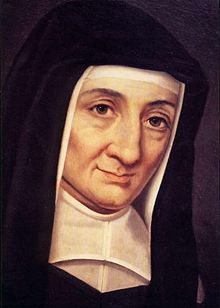
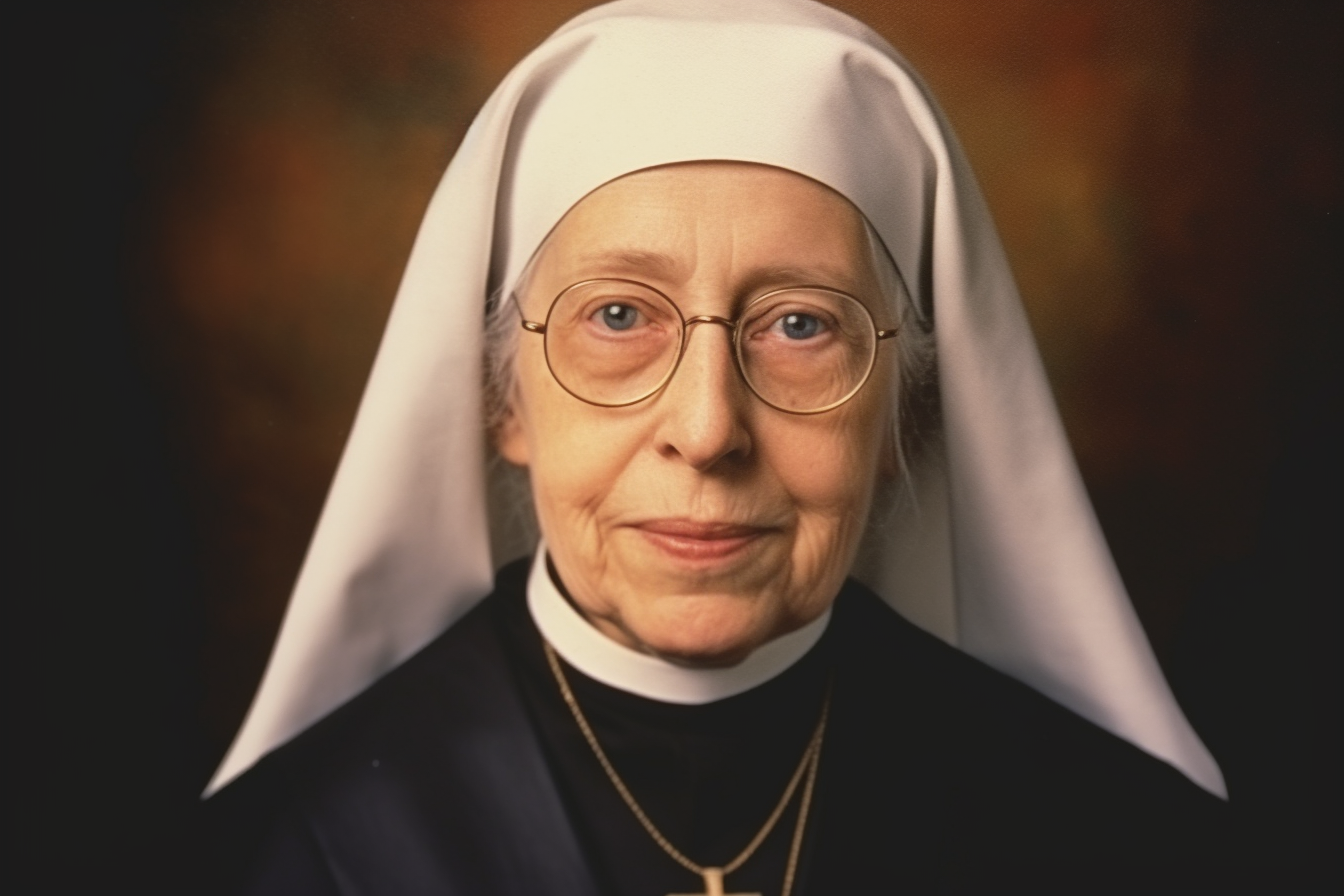
St. Julie Billiart

When They Lived

St. Julie Billiart lived from July 12, 1751, to April 8, 1816.

Where They Lived

St. Julie Billiart was born in Cuvilly, a small village in northern France. She spent most of her life in the region of Picardy, particularly in Amiens.

Notable World Events During Their Life

  • American Revolution (1775-1783): The United States’ struggle for independence from British rule.
  • French Revolution (1789-1799): Social and political upheaval in France and beyond.
  • Industrial Revolution: Rapid advancements in technology, urbanization, and mechanization.
  • Napoleonic Era: Political change and military campaigns under Napoleon Bonaparte.
  • Birth of Mary Shelley and the Frankenstein Novel (1797-1818): Mary Shelley’s birth and the iconic novel “Frankenstein.”
  • Discovery of Uranus (1781): Astronomer William Herschel’s discovery of Uranus.
  • Louisiana Purchase (1803): The United States’ acquisition of a vast territory.

Their Patronage

St. Julie Billiart is the patron saint of those who suffer from bodily ills, illnesses, and disease. She is also invoked for healing and protection against physical ailments. Additionally, she is the patroness of those ridiculed for their piety and dedication to faith.

St. Julie Billiart’s Remarkable Life

St. Julie Billiart’s life unfolded against the backdrop of revolutionary changes in both politics and technology. Born into a modest family in rural France, she faced personal challenges early on, including an accident that left her partially paralyzed. Undeterred, Julie remained steadfast in her faith and dedicated herself to teaching children in her village, fostering their spiritual and intellectual growth.

The Young Teacher

Marie Rose Julie Billiart was born on July 12, 1751, in Cuvilly-Picardy, Northern France. Her parents were simple, well-to-do farmers. She was the sixth of seven children, with only three surviving adulthood: her father, Jean Francois Billiart, and mother, Marie Louise Antonette.

Julie showed interest in God’s work as a child. By the age of seven, she had learned catechism by heart. Julie would gather her playmates and farm laborers to hear her recite the catechism and teach them. When her family lost their money, she took to farming to earn money as a teen.

It was apparent that Julie was way ahead of her peers in matters of religion. Her Parish Priest, Father Dangicourt, made an exception for her to receive the First Holy Communion at nine instead of the stipulated age of thirteen as practiced at that time. At age 14, Julie privately took the oath of chastity before God.

Broken but Not Crushed

Julie was a child to look out for with the simple education she obtained from the local school run by uncle Thibault Gillibiert and her advanced knowledge of religious matters. Growing up, she was known as the “Saint of Cuvilly” for her virtues and piety.

A sad occurrence at home in 1774 when she was 22 threatened to break her heart, but Julie wouldn’t let it crush her spirit.

An unknown assailant had shot at her father in a missed attack on his life, and witnessing this event sent Julie into a nervous shock. Inadequate medical treatment resulted in the paralysis of her legs. For many years, Julie was confined to a bed.

Nevertheless, from her bed, Julie instructed children to prepare for the First Holy Communion, make altar linen and cloths, and offer great advice to all who came to her. Many recognized her gifts and will beseech her bed.

Julie the Rebel?

In 1989, the French Revolution broke out. Following the aftermath of the revolution, the civil constitution was constituted. Church properties were sold off, and priests were forced to swear allegiance to the civil law, stripping the church of all its power and jurisdiction over church matters.

Refusal to comply with the directives of the new civil law by any clergy person attracts punishment, some death or banishment as the court may deem fit.

But Julie defied the new law, and at the risk of her life, she hid fugitive priests who had refused to swear their allegiance to the law. When the authorities became aware of the help she had been rendering to non-compliant priests, they sought to kill her.

With the help of her friends, Julie was smuggled out of Cuvilly in a cart to Compiegne. She hid in different houses at Compiegne despite her growing suffering and pain from being paralyzed. Later, she moved to Amiens.

New Dawn

At Amiens, Julie met Francoise Blin de Bourdon, a noblewoman and religious woman. Together, they devoted themselves to working for God and fighting for the poor.

On February 2, 1804, Julie, Francoise, and Catherine Duchatel took the oath of chastity. With the approval of the bishops of Amiens, Julie and Francoise founded the Congregation of Sisters of Notre Dame. The congregation was devoted to the Christian education of the girl child, the poor, and training catechists.

Remarkably, on June 1, 1804, the fifth day Julie was offering novena to the Sacred Heart of Jesus for no particular intention, guided by Fr. Enfantin to take a walk of faith, Julie was cured on the spot of her paralysis.

In the following years, Julie traveled the roads of France and Belgium, founding communities with her sisters and setting up schools for young girls deprived of education at the time. She brought hope and the goodness of God into society by preparing vulnerable young children to face life’s duties.

Setbacks encountered in France made Julie move the motherhouse of the congregation to Namur, Belgium.

End of the Journey

Julie spent the rest of the years tirelessly caring for others and running from war hostilities in France.

She took ill, and on May 13, 1816, she departed the world at the motherhouse in Namur, Belgium.

She was beatified on May 13, 1906, by Pope Pius X, and on June 22, 1969, Julie was canonized as a saint by Pope Paul V.

5 Interesting Facts About St. Julie Billiart

  1. Julie spent a total of 22 years as a paralytic before her miraculous
    Healing took place.
  2. In her lifetime, Julie founded 15 convents in France and Belgium.
    made one hundred and twenty journeys in keeping correspondences
    with her spiritual daughters in different places.
  3. Are you aware Julie’s patronage is invoked against poverty, bodily
    ills, and diseases? She worked tirelessly to lift the poor and
    Never once in the 22 years of her affliction with paralysis did she
    thought God had given up on her.
  4. No condition was ever enough to keep me away from the Eucharist. For
    all the years confined in bed, Julie received Holy Communion.
    daily.
  5. Guess the first college in California authorized to bequeath
    Bachelor’s degree to women in the US? Yes, you’re right. Notre
    Dame de Namur University, founded by the congregation of Notre
    Dame. Her legacy lives on.

Prayer to St. Julie Billiart

Saint Julie, Through your incredible devotion to the sacred heart of Jesus, you were miraculously cured and favored by many graces. Through your powerful intercessions, Obtain for us above all things great trust in God in all the difficulties of life. The strength to accomplish in all things The adorable will of God and the special grace we now ardently ask of you

St. Jude Thaddaeus

When They Lived

St. Jude Thaddaeus is believed to have lived during the 1st century AD, between 1 AD and 80 AD.

Where They Lived

St. Jude Thaddaeus is thought to have lived in various regions of the Middle East, primarily in the areas that now encompass modern-day Israel, Palestine, and Syria. He was closely associated with the city of Jerusalem.

Notable World Events During Their Time

  • Roman-Jewish War (66-73 AD): St. Jude Thaddaeus lived during the tumultuous Roman-Jewish War, which resulted in the destruction of the Second Temple in Jerusalem.
  • Great Fire of Rome (64 AD): In 64 AD, a massive fire swept through Rome, leading to the persecution of early Christians, including St. Jude Thaddaeus.
  • Pax Romana: St. Jude Thaddaeus lived during the Pax Romana, a relatively peaceful period in the Roman Empire that facilitated cultural exchange and the spread of Christianity.
  • Birth of Christ: While not within his lifespan, the birth of Jesus Christ occurred just decades before St. Jude Thaddaeus’ time, influencing the early Christian community.
  • Hellenistic Influence: St. Jude Thaddaeus experienced the lingering influence of Hellenistic culture, shaping the religious and philosophical landscape of the region.

Their Patronage

St. Jude Thaddaeus is widely recognized as the patron saint of desperate and difficult situations. He is often invoked for help in seemingly hopeless circumstances, offering hope and comfort to those facing challenges.

Early Life

Saint Jude Thaddaeus is also called Jude Lebbaeus or Jude the Apostle because he was one of the 12 disciples picked by Jesus Christ.

He is said to be confused with Judas Iscariot, which is very wrong. This might account for the reason why his original name, Judas, was shortened to Jude by the historians.

Saint Jude is associated with Saint James the Less. He is also said to be a cousin of the Lord Jesus Christ.

Saint Jude was born around the first century in Galilee, under the Roman Empire. He was said to have been mentioned in the New Testament of the Bible about six times under supposedly different introductions.

While there are various arguments concerning who his family was, most biblical scholars seem to agree that Saint Jude was born to Clopas and a woman called Mary, cousin to the Blessed Virgin.

This is supported by pieces of historical research that often refer to his father as Alphaeus. While some of these fragments claim that Saint Jude was brother to Joseph, Apostle James, and even Simon and Thaddaeus, others beg to differ.

Some reports simply place him among a Jewish family in Paneas, Galilee.

Dedication and Devotion

Some historical accounts claim that Saint Jude was a preacher. He was said to have been to places like Judea, Samaria, Idumaea, Mesopotamia, and even Libya.

Tradition claims the Saint was fluent in both Aramaic and Greek, which he used to preach. Ge was also a farmer at the time.

His family were devout Christians, and his father may have been persecuted for his belief in Jesus Christ. Saint Jude himself is credited by many as having been the first, along with Apostle Bartholomew,to bring Christianity to the Armenians.

Saint Jude was said to have been part of those who elected his brother Simeon (Saint Simeon) as Bishop of Jerusalem around the year 62.

Many historians claim that Saint Jude was the disciple in the Bible who sat with Jesus Christ at the Last Supper and asked him why he wouldn’t appear to the world after he was resurrected.

Legacy

Saint Jude was said to have written epistles to various Churches In the East. Some people even think that some of these letters might have been sent to the early Jews.

Saint Jude was one of the early Christians who stood against the Simonian, Nicolaite, and Gnostic heresies.

Saint Jude wasn’t just a follower of Christ. He was a great preacher who risked his life to spread the Gospel. Various miracles have been attributed to the great man’s name.

Death and Canonization

Although not proven, Saint Jude was said to have been martyred around 65 A.D. in Beirut. He might have been with Apostle Simon of Zealot, who was probably also martyred.

Many traditions claim that he might have been killed with an axe. Many others claim that he might have been executed in Armenia.

Saint Jude’s body might have been brought to Saint Peter’s Basilica in Rome. This was a popular pilgrimage site chosen by many faithful. His body might have been kept under Saint Joseph’s altar.

Some people claim that his body was left in an Armenian monastery in Kyrgyzstan until the 15th century.

Saint Jude was Canonized Pre-congregationally. He is often depicted in artwork holding a club or an axe. He might also be seen with a flame around his head. This is supposed to signify his presence at Pentecost.

He might also be seen holding the picture of Jesus, depicting the image of Edessa.

Saint Jude is venerated across all Christian denominations and even in Islam. In respect to the Saint, there are shrines dedicated to him all over the world in places like Australia, Brazil, Sri Lanka, and even Lebanon.

5 Interesting Facts About Saint Jude Thaddaeus

  1. Did you know that Saint Jude was reported to have been a vegetarian?
  2. Did you know that the Chicago Police Department claimed Saint Jude
    as their patron saint.
  3. Did you know that Saint Jude was said to have been the groom at the
    wedding that Jesus Christ attended?
  4. Did you know that Saint Jude is referred to as the patron saint of
    the Hopeless, the despairing, and the Impossible?
  5. Did you know that Saint Jude might be seen holding a scroll that
    signifies his epistle?

Prayer to Saint Jude Thaddaeus

Most Holy Apostle St. Jude Thaddeus, faithful servant and friend of Jesus, the name of the traitor who delivered your beloved Master into the hands of the enemies has caused you to be forgotten by many, but the Church honors and invokes you universally as the patron of hopeless cases and things despaired of.

Pray for me, who is so needy; make use, I implore you, of that particular privilege accorded to you to bring visible and speedy help where help is almost despised.

Come to my assistance in this great need that I may receive the consolation and succor of heaven in all my necessities, tribulations, and sufferings, particularly (here mention your petition), and that I may bless God with you and all the elect throughout eternity.

I promise you, O blessed Jude, to be ever mindful of this great favor, and I will never cease to honor you as my special and powerful patron and to do all in my power to encourage devotion to you. Amen.

Source:[https://www.stjudeshrine.org/sj/prayers_to_st_jude/]{.ul}