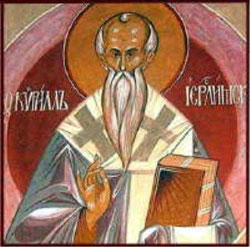
St. Cyril of Jerusalem

When They Lived:

St. Cyril of Jerusalem, also known as Cyril of Jerusalem, lived during the late 4th century. He was born around the year 313 and passed away in 386.

Where They Lived:

Cyril of Jerusalem was a prominent theologian and bishop in the city of Jerusalem. He spent most of his life in the Holy Land, which held immense significance in early Christianity.

Notable World Events During Their Life:

  1. Council of Nicaea (325 AD): This significant ecumenical council was convened by Emperor Constantine the Great, aimed at addressing theological disputes within Christianity. It led to the formulation of the Nicene Creed, which remains a fundamental statement of Christian faith.
  2. Conversion of Constantine (312 AD): The Roman Emperor Constantine’s conversion to Christianity was a pivotal moment in the history of the Roman Empire. It not only led to the toleration of Christianity but also profoundly shaped its future.
  3. Roman Empire Divided (395 AD): The death of Theodosius the Great marked the final division of the Roman Empire into the Eastern and Western Roman Empires, having significant political and cultural consequences.
  4. Paganism Decline: Cyril lived during a period of transition when Christianity was gaining prominence, and paganism was gradually declining in the Roman Empire, leading to the eventual establishment of Christianity as the state religion.
  5. Early Christian Schisms: The 4th century witnessed various theological controversies and schisms within Christianity, including the Arian controversy, which Cyril addressed in his teachings.

Patronage:

St. Cyril of Jerusalem is known as the patron saint of a few significant aspects:

  • Catechists and Teachers: Cyril’s notable contributions include his catechetical lectures, which became essential teachings for new converts to Christianity. He’s revered as a patron for catechists and teachers.
  • Theologians: Cyril’s profound theological insights, especially in his defense of the divinity of Jesus Christ, make him a patron saint for theologians and scholars in the Christian tradition.
  • Holy Land: Cyril’s strong connection to Jerusalem and his significant role in preserving the Christian identity in the Holy Land have made him a symbol of the region’s Christian heritage, making him a patron saint for the Holy Land.
  • Unity in the Church: Cyril worked towards unity within the early Christian Church, and his efforts to resolve theological disputes make him a patron for Christian unity.

Early Life

Not much is known about Saint Cyril’s early life. The proper documentation of his life and works began with his first notable experience with religion.

Saint Cyril was said to have been born around 313 A.D. Given the lack of a means of confirmation, this date might have been chosen as an assumption.

His place of birth was said to have been somewhere around Caesarea Maritima, Syria, Palaestina, or what is now called the blessed country of Israel.

Some accounts claim that Saint Cyril was born around the city of Jerusalem.

Saint Cyril was thought to have been a devout young man growing up. Some biographers believe that he must have been educated in the writings of theologians and Philosophers.

Saint Cyril was a Church layman until he was ordained as a deacon by Bishop Macarius circa 335. This placed him at about 22 years old.

He was dedicated to the church, and his piety and fiery passion caused him to be appointed a priest in 343 by Bishop Maximus.

Some documents accuse Saint Cyril of being a supporter of the Arian heresy at this time.

This was partly due to the supposed Alliance between Cyril and Acacius of Caesarea. Acacius and the rest of the Arian bishops had promised Cyril authority over the church if he dissociated himself from Maximus.

Dedication and Devotion

When he wasn’t studying liturgies, Saint Cyril spent his time praying and preaching.

It was at this time that a dispute arose between Acacius and Saint Cyril. It is widely believed that Acacius was envious of the respect that Saint Cyril received and despised him for it.

Saint Cyril was accused of selling Church properties. In truth,Jerusalem had been gripped by such a deadly famine that people were starving to death. Some historians have recorded that Saint Cyrilhad sold Church adornments to cater for his people.

Saint Cyril refused to go to the hearings he was invited to and fled his office. In his absence in 357, he was impeached and Acacius was elected. This led to a string of complicated political sagas.

Saint Cyril hid with Bishop Silanus of Seleucia. Two years later, Acacius was impeached and Cyril was replaced. In 360, Emperor Constantine once again impeached and exiled Saint Cyril.

When Julian became Emperor in 361, he allowed the return of Saint Cyril.

In 367, Saint Cyril was again exiled on the order of the Arian Emperor Valentin. After Valens died in 367, Saint Cyril returned home.

Legacy

Although Saint Cyril lived in a time with challenging political climates, he never stopped preaching the gospel.

Saint Cyril might have been a part of the Arian heresy, but he was also a believer in the Nicene Orthodox. He expressed this in some of his theological writings.

Saint Cyril was not only a reader but also a writer. Some of his writings managed to survive until recent years.

It is also worth knowing that Saint Cyrill practiced forgiveness because he believed the gospel taught people to. Although exiled from his church and land many times, he never held a grudge against his antagonists.

An example of the famous work of the saints includes the twenty-three catechetical lectures, a book of lectures for the layman.

Death and Canonization

Saint Cyril died in Jerusalem at the supposed age of 73 in 386 A.D.

He is respected by the Roman Catholic Church, the Eastern Catholic Church, the Eastern Orthodox Church, Oriental Orthodoxy, the Anglican Communion, and the Lutheran Church.

In 1883, Saint Cyril was venerated as a Doctor of the Church by Pope Leo XIII. He was canonized Pre-Congregation and is celebrated on the 18th of March.

5 Interesting Facts About St. Cyril of Jerusalem

  1. Did you know that Saint Cyril is mostly called St. Cyril of
    Jerusalem to avoid confusion with St. Cyril of Alexandria?
  2. Did you know that Saint Cyril had a nephew called Gelasius who
    became a Saint?
  3. Did you know that Saint Cyril’s catechetical lectures were said to
    have been jotted down by a member of the brethren?
  4. Did you know that Saint Cyril appointed his nephew as his successor?
  5. Did you know that Saint Cyril is said to have caused Jerusalem to be
    a favorite pilgrimage place?

Prayer to St. Cyril of Jerusalem

Father, through Cyril of Jerusalem, you led your Church to a deeper understanding of the mysteries of salvation. Let his prayers help us to know your Son better and to have eternal life in all its fullness. Through our Lord Jesus Christ, your Son, who lives and reigns with you in the unity of the Holy Spirit, one God, for ever and ever Amen.

Source:[https://www.google.com/amp/s/prayers4reparation.wordpress.com/2013/02/19/prayer-to-st-cyril-of-jerusalem/amp/]{.ul}
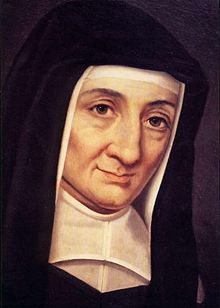
St. Louise de Marillac

When and Where She Lived

St. Louise de Marillac lived from August 12, 1591, to March 15, 1660. She primarily resided in Paris, France, engaging with the social and religious context of the time.

Notable World Events During Her Time

  • Thirty Years’ War (1618-1648): A devastating conflict that reshaped Europe.
  • Scientific Revolution: Advancements in science and philosophy, challenging prevailing notions.
  • English Civil War (1642-1651): Internal conflict leading to political transformation.
  • Treaty of Westphalia (1648): Crucial development in modern international relations.
  • Great Fire of London (1666): Catastrophic fire reshaping the city.

Her Patronage

St. Louise de Marillac is the patron saint of social workers, widows, orphans, and those who have lost parents. Her life’s work and dedication to caring for the marginalized and vulnerable continue to inspire individuals involved in charitable and social services.

St. Louise de Marillac’s life story intersects with a period of historical turmoil and transformation. While events like the Thirty Years’ War and the Scientific Revolution were shaping the world on a grand scale, her tireless efforts to alleviate the suffering of the less fortunate, her collaboration with St. Vincent de Paul in founding the Daughters of Charity, and her commitment to social service continue to resonate as a testament to the power of compassion and empathy in times of change. In the midst of larger geopolitical shifts, her legacy reminds us of the importance of addressing human needs and social injustices.

Early Life

Saint Louise was a French girl born on the 12th of August, 1591, around Le Meux, now Oise, Picardy. Her father was Louis de Marillac, Lord of Ferrires. She was born out of wedlock and had no idea who her mother was.

Louis de Marillac had accepted her as his daughter but had refused to make her his heir.

Saint Louise’s Uncle worked in Marie de’ Mexico’s court. This influence enabled her to work among the French aristocrats.

Saint Louise was cared for like any child but was estranged by her father’s new wife, Antoinette Le Camus. Nevertheless, she was sent to receive education in the royal convent of Poissy, where her aunt was anun.

Louise was a religious child who was convinced that God had bigger plans for her. At the age of 12, her father died, and she was taken to live with a Christian Spinster.

There, she was taught basic management skills and herbal medicine. At the age of 15, her application to join the Capuchin nuns was rejected.

At the age of 21 or 22, Saint Louise’s family arranged her marriage to Antoine Le Gras. Louise did not think marriage was her next path, but she agreed to please her family.

On the 5th of February, Saint Louise got married to Antoine. After some time, she assumed an official role in the local parish she attended.

Antoine and Louise had a son named Michel.

Dedication and Devotion

Tragedy struck in 1621 when Antoine fell ill with a debilitating sickness. Antoine became bedridden, leaving Louise to cater for all three of them. Through it all, Louise was counseled by Francis de Sales, who would later become a Saint and Bishop of Belley.

When Antoine died in 1625, Louise made a pledge to remain single for the rest of her life. She was continually plagued by a vision showing a spiritual guide that would order her path.

This guide turned out to be Saint Vincent de Paul.

After Antoine’s death, Saint Louise moved due to financial reasons. In her new residence, She met Saint Vincent.

Vincent, at that time, was working on a project that involved noble ladies caring for the poor. He was about to end Louise’s friendship when he realized she was the answer to his prayer.

Although suffering from slight health implications, Saint Louise was an energetic and religious young woman. When she wasn’t caring for her son, she was praying, preaching, meditating, or practicing penance. This impressed Saint Vincent so much that he chose to be her spiritual guide.

Legacy

In 1629, Saint Vincent asked Louise to join his charity work. She agreed, and together they ministered to the needy.

With Saint Louise, Vincent de Paul set up an association with the women in his church in Châtillon-les-Dombes.

The project was so successful that they proceeded to help the poor in the slums of Paris, where the noblemen couldn’t reach them. This encourages other women from the less fortunate side of life to take part in the project.

In 1633, a group called the Daughters of Charity of St. Vincent de Paul They respected Saint Louise and made her head of all operations in the group.

Saint Louise invested most of her time and energy into teaching the ladies and helping the poor. The group of ladies was one of the pioneers of uncloistered religious women who went around to minister.

Sometime in the 17th century, Saint Louis traveled to Angers to work at a hospital. There, they nursed the sick.

Death and Canonization

Saint Louise continued to lead the women until her death. She died on the 15th of March, 1660, at the age of 68.

Saint Louise de Marillac was canonized on March 11, 1934, by Pope Pius XI. She is buried at the cathedral in the motherhouse of the Daughter of Charity. She is celebrated by the Roman Catholic Church on the 9th of May and the Episcopal Church on the 15th of March.

5 Interesting Facts About Saint Louise de Marillac

  1. Did you know that it was her priest who arranged for Saint Louise to
    get married to Antoine?
  2. Did you know that Saint Louise de Marillac is the patron saint of
    sick people, widows, and orphans?
  3. Did you know that Saint Louise was named the Patroness of Social
    Workers in 1960?
  4. Did you know that the Roman Catholic Church used to celebrate Saint
    Louise on the 15th of March?
  5. Do you know there are over 25,000 daughters of charity today?

Prayers to Saint Louise de Marillac

O Gracious God, Saint Louise devoted her life to helping Saint Vincent de Paul serve the needs of the poor. She often taught, Be diligent in serving the poor. Love the poor; honor them as you would honor Christ Himself.” I lift up to You the programs in my church and community that help the needy and the people who do the work. Multiply the donations. Teach me how to think generously. Give me a heart that desires to care for the poor as if I were serving Jesus directly, and help me to see Jesus in each person that begs on the street corner or church door. Saint Louise, pray for us. Amen.

Source:[https://www.catholicdoors.com/prayers/novenas/p04005.htm]{.ul}

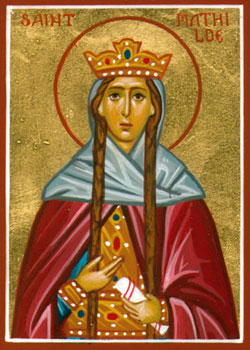
St. Matilda

When They Lived:

St. Matilda, also known as Mathilda or Matilda of Ringelheim, lived from around 895 to 968 AD.

Where They Lived:

St. Matilda resided primarily in the region of Saxony, which is located in present-day Germany.

Notable World Events During the Time of Their Life:

  • Viking Age: St. Matilda lived during a period of Viking expansion and invasions across Europe, impacting political and cultural landscapes.
  • Foundation of the Holy Roman Empire: In 800 AD, Charlemagne’s coronation as Emperor established the Holy Roman Empire, shaping European politics and religion.
  • Ottonian Dynasty and German Empire: St. Matilda was part of the Ottonian Dynasty, playing a role in the formation of the early German Empire.
  • Magdeburg Cathedral: Matilda contributed to the establishment of Magdeburg Cathedral in 937 AD, a significant religious and cultural center.
  • Schism of 1054: The tensions between Eastern and Western Christianity, evident during Matilda’s time, led to the schism in 1054.
  • Islamic Golden Age: Matilda’s era coincided with the Islamic Golden Age, marked by advancements in various fields and cultural exchange.

Their Patronage:

St. Matilda is known as the patroness of large families, widows, and difficult marriages. She nurtured her family and supported charitable work and religious foundations.

Early Life

Saint Matilda of Ringelheim was born into royalty and married into it.

Matilda, also called Mathilde, was born circa 892 in Enger, the Saxony province of East France. Her father was Dietrich, a Saxon Count, and her mother was Reinhild, who was also of royal descent.

She was trained by her grandmother, who was the abbess of a convent. Not only was she given basic training in sewing, but she was also raised to pray and fast. She was a beautiful girl who took special care to give to the needy.

In 909, Saint Matilda got married to Duke Henry of Saxony, who would later become King of East France. In 912, Henry’s father passed away, and he assumed authority.

In 919, ten years after they got married, he was the successor to the German throne after King Conrad I.

The marriage was a very happy one, and Matilda gave birth to five children: three sons and two daughters.

Dedication and Devotion

While Saint Matilda was Queen, her husband bestowed her with riches. From these riches, she gave to the needy and built monasteries all over the city.

She was so pious, religious, and humble that it was recorded that her husband always resorted to her for advice. In 936, her husband Henry passed away and was interred in Quedlinburg, where Matilda would later build a monastery.

Matilda went on to reside in the monastery for some time, assuming the role of the very first abbess. She continued to oversee the business of her family and the throne.

She continued to establish convents with the possessions that her husband had left for her. She split her riches and distributed them to the poor. This further annoyed her sons, Otto and Henry, who never saw eye to eye.

Trouble began to brew when it was time for her son Otto to assume the role of King. She was convinced that the role was better suited for the younger Henry. When she tried to convince Otto to relinquish the throne to his younger brother, he became enraged.

Henry rioted against his brother Otto. This bitterness caused Saint Matilda to escape to her home in the country.

Otto’s wife, Eadgyth, went in search of Saint Matilda and urged her to come back with her. Matilda agreed and surrendered her possessions to Otto, thereby forgiving him.

Matilda’s son, Henry, was ruthless and continued to riot against Otto. Matilda warned him about his behavior, and when he didn’t listen, she prophesied his death.

After Henry died, Matilda was said to have built three more convents. Her health began to deteriorate. She was left in charge of the throne after Otto was crowned Roman Emperor in 962.

Death and Canonization

Saint Matilda was said to have spent some time in her last years in her convent at Nordhausen.

She died at the age of 76 on March 14, 968, after battling sickness for a while. She does so in her convent in Quedlinburg, where she is buried next to her husband.

Matilda devoted her life to setting up monasteries where young people could learn all about the religion. Matilda passed on the authority of the convents to her granddaughter in 966. Her name was also Matilda, and she was the daughter of Otto and Adelheid of Burgundy.

Saint Matilda was canonized Pre-congregationally. She is celebrated on March 14, the day of her death.

5 Interesting Facts About Saint Matilda

  1. Did you know that Saint Matilda is the patron saint of
    Disappointing children, the falsely accused, Queens, and second
    Marriages?
  2. Did you know that Saint Matilda was King Henry’s second wife after
    His first marriage failed.
  3. Did you know that Saint Matilda’s son Otto probably started the Holy
    Roman Empire?
  4. Did you know that the Nordhausen convent was the last to be built by
    Saint Matilda?
  5. Did you know that when her husband died, Saint Matilda asked for
    Mass for his soul, removed her Jewelry, and pledged poverty?

Prayer to Saint Matilda

O GOD, by whose grace the blessed Matilda, enkindled with the fire of thy love, became a burning and shining light in thy Church: Grant that we may be inflamed with the same spirit of discipline and love and ever walk before thee as children of light, through Jesus Christ, our Lord. Amen.

Source:[https://www.sainttherse.com/prayer-to-st-matilda-of-saxony/]{.ul}

Bl. Agnello of Pisa

  • When he lived: Blessed Agnello of Pisa lived during the 12th century, specifically from around 1195 to 1239.
  • Where he lived: Agnello lived in Pisa, a city located in the region of Tuscany, Italy. Pisa was an important maritime and trading center during that time.
  • Notable world events during the time of his life:
    • The Third Crusade (1189–1192): This major military campaign involving European powers, led by Richard the Lionheart, King Philip II of France, and Emperor Frederick Barbarossa, aimed to recapture the Holy Land from Saladin.
    • The Fourth Crusade (1202-1204): This Crusade was originally intended to recapture Jerusalem but ended up diverting to Constantinople, resulting in the sack of the city by the Crusader forces.
    • The signing of the Magna Carta (1215): The Magna Carta was a historic document signed by King John of England, limiting the powers of the monarchy and establishing certain rights for the English barons and the Church.
    • Mongol Empire Expansion: During Agnello’s lifetime, the Mongol Empire, under the leadership of Genghis Khan and later his successors, expanded rapidly, conquering vast territories in Asia and Europe.
  • His patronage: Blessed Agnello of Pisa is recognized as the patron saint of hospitals, the sick, and the poor. He is particularly venerated for his compassion and care for those in need, and his intercession is sought by those facing illnesses and poverty.

Blessed Agnello of Pisa, an Italian religious figure of the 12th century, embodies the challenges and sacrifices inherent in a life dedicated to Catholicism. His unwavering commitment to serving God and others did not shield him from personal struggles. This essay explores the remarkable life of Blessed Agnello, highlighting his relatability and humanity while providing key facts about his devotion and the world in which he lived.

Blessed Agnello’s Early Years and Vocation

Born in Pisa, Italy, in 1195, Agnello’s devout upbringing laid the foundation for his spiritual journey. Inspired by the teachings of Christ and the lives of the saints, he embraced a life of service and joined the Order of Saint Augustine. From an early age, Agnello exhibited a deep sense of compassion and empathy for those in need.

Devotion to Caring for the Sick and Poor: Agnello’s profound commitment to serving others led him to dedicate his life to the alleviation of suffering among the sick and impoverished. In Pisa, he established hospitals and charitable institutions, tirelessly working to provide care and support to the less fortunate. Agnello’s actions reflected his unwavering devotion to following the example of Christ and living out the Gospel message.

Struggles and Sacrifices

While Agnello’s faith remained steadfast, he experienced his fair share of struggles and doubts. Like any human, he faced moments of uncertainty in his spiritual journey. These inner battles highlight the relatable aspect of his life as he grapples with the complexities of religious devotion. Agnello’s struggles underscore the challenges inherent in a life dedicated to Catholicism, where personal sacrifices are necessary to live out one’s faith.

Agnello’s personal sacrifices were profound. He willingly renounced worldly possessions and comforts, embracing a life of simplicity and austerity. These sacrifices exemplify the depth of his commitment and demonstrate the challenges faced by those who choose a devout religious path. Agnello’s selflessness and humility serve as an inspiration, urging us to reflect on our own priorities and the sacrifices we are willing to make in service to others.

World Events and Historical Context

Agnello lived during a period marked by significant world events. The Third Crusade (1189–1192) unfolded during his lifetime, characterized by religious conflicts and political turmoil. The Crusades shaped the religious landscape of the time, influencing the lives of individuals like Agnello who sought to emulate Christ’s teachings of love and compassion.

Additionally, the 12th century witnessed social and political transformations across Europe. Agnello’s work coincided with the rise of trade, urbanization, and the emergence of powerful city-states such as Pisa. In this changing world, Agnello’s compassionate service to the sick and poor made a lasting impact, addressing the pressing needs of his community.

Blessed Agnello of Pisa’s life serves as a testament to the challenges and rewards of a life devoted to unwavering faith and selfless service. His relatability and humanity shine through his struggles and sacrifices, emphasizing the difficulties faced in a devout religious life. Agnello’s deep compassion for the sick and the poor, coupled with his personal challenges, highlight the complexities of following one’s faith. Through his actions and choices, he left an indelible legacy, reminding us that even in the face of doubts and difficulties, faith can transcend the struggles of humanity.

St. Fina

When She Lived:

Saint Fina’s life is typically dated from 1238 to 1253. She was born on March 31, 1238, and passed away on March 12, 1253, at the tender age of 15. Her brief but impactful existence left a lasting legacy in her town and in the hearts of many believers.

Where She Lived:

Saint Fina spent her entire life in San Gimignano, a charming medieval hilltop town in Tuscany, Italy. San Gimignano was known for its well-preserved towers, and it provided the backdrop for the young saint’s life of sanctity.

Notable World Events During Her Life:

  • The Mongol Empire’s Expansion: During Saint Fina’s lifetime, the Mongol Empire, led by figures such as Kublai Khan, continued its expansion, significantly impacting vast regions of Asia and Europe.
  • The Albigensian Crusade: The Albigensian Crusade, a military campaign initiated by the Catholic Church against the Cathars in southern France, was ongoing during Saint Fina’s life. This event had significant religious and political implications.
  • The Development of Gothic Architecture: The construction of iconic Gothic cathedrals, such as Notre-Dame de Paris and Chartres Cathedral, was a remarkable architectural achievement of the time, reflecting the flourishing of medieval craftsmanship.
  • The Works of Thomas Aquinas: The influential theologian and philosopher Thomas Aquinas was active during Saint Fina’s era. His writings profoundly impacted medieval scholasticism and continue to be studied to this day.

Her Patronage:

Saint Fina is the patron saint of those who suffer from bodily ailments, particularly those related to physical disabilities and illness. She is also invoked by those facing financial difficulties, as her own life was marked by poverty, humility, and acceptance of God’s will.

Early Life

Saint Fina was known for her acts of perseverance. Even when faced with challenges, she remained calm and trusted the Lord.

Saint Fina, also called Serafina or Saraphina, was born in 1238 in San Gimignano, Italy. Her parents were Cambio and Imperiera Ciardi. Her family was said to have been of noble descent but had gone through a series of unfortunate events that had left them impoverished.

Saint Fina was said to have been a very beautiful and intelligible child while growing up. She had shown a special kind of love for God and had exhibited this love by giving to the needy even when she lacked.

Some historical accounts describe Saint Fina as a recluse. She was taught basic crafts and was said to have spent her day sewing.

Saint Fina only left her home to go to Mass. She was strongly devoted to the Blessed Virgin and spent most of her time praying, even as a child.

Circa 1248, when Saint Fina was around ten years old, she came down with a sudden illness. This illness ate her insides, deteriorating her body and paralyzing her limbs. Around this time, Fina’s father passed away ,leaving her and her mother all alone.

She was in constant pain but did not let that influence her attitude toward people or life in general. If anything, her faith in God deepened as she believed that she was going through this for a reason.

Dedication and Devotion

Saint Fina chose to do away with the little comfort that her mother could provide. Instead of a sickbed, she chose to lay on an oak plank.

Because of her illness, Saint Fina could only lay on one side of her body. This caused the sores on her body to fuse with the plank pallet. Her body was attacked by worms and insects, her flesh rotted, and still she did not complain.

Her mother managed to provide for both of them by working or begging on the streets. This caused her to leave Fina alone for long hours at Astra. Fina took this in good faith, remained joyful, and never grumbled.

Sometime after Fina’s affliction began, her mother passed away. Thus, the little care that Fina received was gone too.

Saint Fina remained devoted to God and spent her days praying, asking for the intercession of Saints. She thirsted for the day that her soul would be removed from her body.

It was during this period that she started to show immense reverence for Saint Gregory the Great. Gregory was also afflicted by illness during his time, and she took strength in the fact that, like her, he persevered.

Saint Fina survived on the off-hand attention shown to her by her neighbors. Although they cared, they were irritated by the sores on her destroyed body and refused to touch her. This caused her illness to progress severely.

Finda was taken care of by her friend and nurse, Beldia, though her sickness worsened.

On the 4th of March, 1253, while praying to God, Saint Gregory appeared to Fina and told her to rejoice because she would be joining the angels in eight days.

Death and Canonization

As predicted, Saint Fina died on March 12, 1253. She was 15 years old.

After her death, miracles were reported to have followed her. When her body was said to have been lifted off the pallet on which it had rested for five years, the people could see a growth of white violets. Her room also smelled like flowers.

When Saint Fina’s body was being transported, her nurse Beldia held onto her hand. It is reported that Beldia’s arm, which had become paralyzed from years of supporting Fina’s body, suddenly healed. This was one of the various miraculous healings around her body.

Saint Fina was never properly canonized. She is called Blessed Fina Bymany. However, she is celebrated on the 12th of March, which is her official feast day, and the 1st Sunday of August.

5 Interesting Facts About St. Fina

  1. Did you know that White Violets are sometimes called Saint Fina’s?
    flowers? The flowers still grow on the walls of San Gimignano.
    today.
  2. Did you know that church bells rang unattended while Saint Fina’s
    body was carried through the streets?
  3. Did you know that Saint Fina is the Patron Saint of disabled people?
    and spinners?
  4. Did you know that a sick person who visited Saint Fina’s grave even
    After many years, was cured?
  5. Did you know that there is a hospital dedicated to Saint Fina? It
    caters to the old, the poor, and even pilgrims.

Prayer to St. Fina

Glorious Saint Fina, beloved daughter of Mary and Jesus, although in great pain, you served God with humility and confidence. You persevered until death and gained the crown of eternal life. Now you can enjoy the glorious vision of God in Heaven. Dear Saint Fina, make my troubles your own. Speak a word for me to the Immaculate Heart of Mary to obtain by her powerful intercession the grace I yearn for so ardently. Please obtain for me from God the graces I hope for from the infinite goodness of our Blessed Lord, especially (mention your petition). Saint Fina, pray for me and for all who implore your assistance. Amen.

Source:[http://www.boldradish.com/2011/07/prayer-to-saint-seraphina-st-fina.html?m=1]{.ul}

St. Frances of Rome

When she lived:

St. Frances of Rome, also known as Saint Francesca Romana, lived from January 9, 1384, to March 9, 1440.

Where she lived:

St. Frances of Rome lived in Rome, Italy, during the late medieval period.

Notable world events during her life:

  • The Western Schism (1378-1417): This was a major split within the Catholic Church, leading to multiple rival popes and a significant period of confusion and division within the Church.
  • The Fall of Constantinople (1453): Although slightly after her lifetime, the fall of Constantinople to the Ottoman Empire marked the end of the Byzantine Empire, which had significant cultural and religious implications.
  • The Renaissance (14th-17th century): While St. Frances of Rome lived during the early stages of the Renaissance, this period of great cultural and artistic transformation had already begun to shape Italy, especially in Florence and Rome.
  • The invention of the printing press (1440s): Although just after her lifetime, Johannes Gutenberg’s invention had a profound impact on the spread of knowledge, including religious texts, and played a crucial role in the Reformation.

Her patronage:

  • Housewives and homemakers: Frances of Rome was a devoted wife and mother, known for her exemplary domestic skills, making her a beloved patron for women managing households.
  • Motorists and drivers: She is also the patron saint of motorists, likely due to a famous story in which she miraculously guided a wagon out of a difficult situation.
  • Obstetricians and midwives: St. Frances of Rome’s compassion extended to the care of pregnant women and newborns, making her an ideal patron for those involved in childbirth.
  • The homeless and those rejected by religious orders: Frances devoted herself to helping the poor and those rejected by religious communities, offering a compassionate example of caring for the marginalized.
  • Rome: As a resident of Rome, she is considered one of the city’s patron saints, and her life is deeply connected to the religious and cultural history of the Eternal City.

St. Frances of Rome’s life was marked by her unwavering devotion to her faith, her commitment to serving others, and her ability to find spiritual significance in everyday life. She stands as a compelling figure from a time of religious and cultural change, with a legacy that continues to inspire people in various walks of life.

Early Life

St. Frances of Rome was an Italian saint who was born in 1384 in Rome to wealthy parents, and she died in 1440. She was happily married for forty years to a well-off man, and they had three children. She was a wife, a mother, and an organizer of charitable services. She was also highly dedicated to the Benedictines, which is a monastic religious order and the official order of St. Benedict.

From the tender age of eleven, she wanted to be a nun, but when she was twelve years old, her parents forced her to marry Lorenzo Ponziani. Lorenzo was the commander of the papal troops in Rome, and he was from an extremely wealthy family.

When her mother-in-law passed away, St. Frances became the mistress of the household.

Her Works

Even though her dream to be a nun did not come true, she was able to do her charitable deeds. In the company of her sister-in-law, Vannozza, they visited the poor and took care of the sick. These charitable deeds served as an inspiration to other wealthy men to do the same.

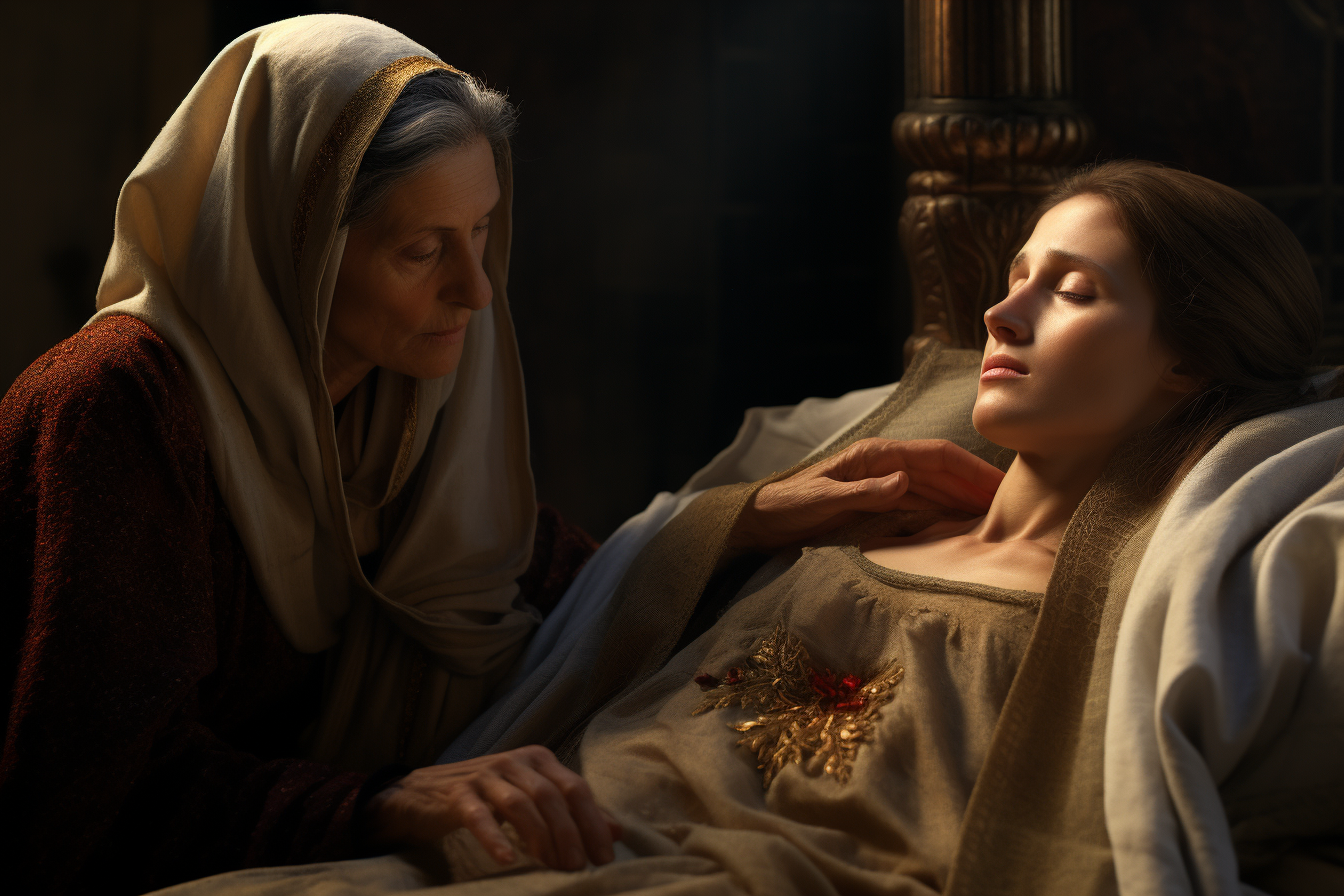
St. Frances of Rome caring for a sick woman

During a time of flood and famine, with her authority as the mistress of her household, she was able to turn part of the family’s country estate into a hospital. She also distributed food and clothes to the poor. She also went on to make their beds and clean their sores.

St. Frances’ father-in-law was not happy with the way she was giving household supplies to the poor, and at some point he took the keys to the supply rooms from her. However, he later returned them to her.

St. Frances is known for fasting a lot, and she is said to have developed continuous suffering.

St. Frances is also believed to have had visions, which were usually in the form of drama enacted for her by heavenly personages. She also had the gift of miracles and ecstasies, as well as bodily visions of her guardian angels.

She also had visions of Hell and Purgatory and foretold the end. St. Frances was also capable of reading the secrets of conscience and detecting plots of evil origin.

St. Frances was remarkable for her humility, detachment, obedience, and patience.

Impact of Power Struggles

There was a time when there was a war between the pope in Rome and various anti-popes, and her husband was in support of the pope. This resulted in their son Battista having to be delivered as a hostage to the commander of the Napoleon Troops (anti-popes), and she escorted him to the soldiers.

On her way to meet the soldiers, she entrusted her son’s life to the blessed mother, and when they finally met with the soldiers and her son was put on the horse, the horse refused to move. Despite all efforts, including heavy whipping, the horse did not move. The soldiers then returned Battista to his mother, as they saw the hand of God in this.

Also due to St. Frances’ husband’s support of the pope, they were forced into exile, and much of Lorenzo’s property and possessions were destroyed. He was also severely injured, and his wife, St. Frances, nursed him.

During the time when her husband was injured and their household was attacked, she was the only one who remained strong and kept the faith, yet everyone grieved the misfortunes that had befallen them.

The city of Rome was in chaos during this time when the pope and various powers were having power struggles. During this time, St. Frances also opened her home as a hospital. Unfortunately, St. Frances and Lorenzo lost two children during the plague.

Her Legacy

On August 15, 1425, St. Frances founded the Olivetan Oblates of Mary, which is a confraternity of pious women under the authority of Olivetan monks.

In March 1433, she also founded the monastery at Tor de’ Specchi, which allowed those members of the confraternity who felt so called, and this monastery remains the only house of the institute.

The community later became known as the Oblates of St. Frances of Rome. St. Frances remained in her home, nursing her own husband for the last seven years of his life. After her husband’s death in 1436, she moved into the monastery and became the superior.

Her grave was identified in 1638, and her remains, which were now mainly bones, were reburied in the church of Santa Maria Nova on March 9, 1649. Her bones were exhumed again in 1869, and they are now displayed in a glass coffin for veneration.

The church of Santa Maria Nova is now usually referred to as the Church of St. Frances.

She was canonized in 1608, and March 9 is considered her feast day.

St. France is known as the patron saint of automobile drivers because there is a legend that says an angel used to light the road before her with a lantern when she traveled.

St. Frances is also known as the patron saint of all oblates and the patron saint of widows.

6 Interesting Facts About St. Frances of Rome

  1. Even though she was in an arranged marriage, it was a happy one.
  2. Soon after her marriage, St. Frances fell ill, and she claimed that
    St. Alexis appeared to her and cured her.
  3. Her father-in-law saw that even though she was taking supplies
    from the household to give to the poor, they will be replenished when
    She finished the prayer.
  4. Over 60 cases attested to her gift of healing during her
    canonization proceedings.
  5. She personally drove her wagon in search of firewood and herbs.
    for medicine
  6. Her remains were found intact some months after her death.

Prayer to St. Frances of Rome

Merciful Frances, in France and Rome, you have given us a unique example of love in marriage as well as in religious life. Keep us faithful in your service, and help us to see and follow you in all aspects of life. Through our Lord Jesus Christ, your Son, who lives and reigns with you in the unity of the Holy Spirit, one God, forever and ever Amen

St. John of God

When They Lived:

St. John of God, also known as Juan Ciudad, lived during the late 15th and early 16th centuries. He was born on March 8, 1495, in Montemor-o-Novo, Portugal, and passed away on March 8, 1550, in Granada, Spain.

Where They Lived:

St. John of God spent a significant part of his life in Granada, Spain. It was in this city that he carried out his charitable works and founded the Order of Hospitallers, also known as the Brothers Hospitallers of St. John of God.

Notable World Events During Their Time:

  • 1492 – Columbus’ Voyage to the Americas: In the same year St. John of God was born, Christopher Columbus made his first voyage to the Americas, marking the beginning of European exploration and colonization of the New World.
  • 1517 – Martin Luther’s 95 Theses: This event ignited the Protestant Reformation, leading to significant changes in the religious landscape of Europe and beyond.
  • 1543 – Copernicus’ Heliocentric Model: Nicolaus Copernicus published his groundbreaking work “De Revolutionibus Orbium Coelestium,” introducing the heliocentric model of the solar system, challenging the geocentric views of the time.
  • 1520s-1530s – Renaissance and Humanism: The Renaissance was in full swing during St. John of God’s life, fostering advancements in art, science, and philosophy. Humanism, a cultural movement that emphasized human potential and achievement, also gained momentum.
  • 1519-1522 – Magellan’s Circumnavigation: Ferdinand Magellan’s expedition became the first known successful circumnavigation of the Earth, expanding global geographical knowledge.
  • 1533 – Pizarro Conquers the Inca Empire: Spanish conquistador Francisco Pizarro’s capture of the Inca emperor marked a significant chapter in the conquest of South America.

Their Patronage:

St. John of God is recognized as the patron saint of a wide range of people and professions, including hospitals, nurses, firefighters, and the sick. His life’s work was centered around caring for the sick and marginalized, and his selfless dedication has made him a symbol of compassion and service. His patronage extends not only to those in the medical field but also to individuals in various vocations that involve aiding those in need.

St. John of God’s legacy of establishing hospitals and caring for the less fortunate continues to inspire people worldwide. His life story reminds us of the importance of extending a helping hand to those who are suffering, regardless of their background or circumstances. In an era marked by significant global events, his emphasis on humanitarianism and kindness remains a timeless and relevant example for people of all walks of life.

The Rise of St. John of God

Born on March 8, 1495, in the Evora District in Portugal, he was named Joao Duarte Cidade. Saint John of God was from a family with great religious faith, and when he was 8 years old, he went missing, and his mother died from the grief caused by his disappearance. His father joined a Catholic order, and this resulted in him being a homeless orphan in Spain until he was taken in as a shepherd by a farmer named Francisco Mayoral.

Pleased with Saint John’s performance, the farmer persuaded him to marry his daughter so that he could be his heir, but Saint John was not up for the idea, and he ended up joining the company of foot soldiers as a means of escaping the farmer. While serving as a foot soldier, he was appointed to guard an enormous loot, and he ended up being condemned to death as he was the main suspect in the loot. It was a narrow escape for him when he was pardoned, and he ended up returning to farm life and doing pastoral farming for the next four years.

Still unmarried, he joined the troops to fight in Hungary against the Turks, and he was a trooper for the next eighteen years, serving in different parts of Europe. He finally decided to return to his hometown and his family, as he had been gone for so long that he had forgotten his parents’ names. However, he realized that he did not have any ties with the region after learning about what happened to his parents.

He returned to Spain and continued with his pastoral work until he was no longer satisfied with his occupation and decided to move to Africa, where he could work to free Christians who were enslaved there.

5 Interesting Facts About St. John of God

  1. St. John of God is believed to have had a heavenly guest who visited.
    him during the early days of his charity work.
  2. He exchanged his cloak with any beggar he met.
  3. His order has been officially entrusted with the medical care of
    the pope.
  4. His order is present in 53 countries and operates in more than 300
    hospitals and has more than 45,000 members.
  5. The Brothers Hospitallers were formed 20 years after his death.

Prayer to St. John of God

St. John of God, patron of the sick and compassionate brother to all who suffer or are troubled in any way,I turn to you with great confidence in my time of need. I ask you, John, to speak to Jesus on my behalf. He will listen to you because you tried to be like Him in the compassion and love you had for people in need. I know only Jesus can really help me, but I also know that He can be influenced by someone close to Him. I plead with you, Brother John, to present this special intention of mine to Jesus so that He may grant it according to His will ……(mention the intention).Help me, John, to strengthen my faith, my hope, and my love for Jesus and our Mother Mary, for whom you had such a special love. All glory to the Father, Son, and Holy Spirit. Amen

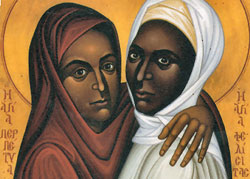
Sts. Perpetua and Felicity

When they lived:

Sts. Perpetua and Felicity lived during the early years of the 3rd century AD, around 203-206 AD.

Where they lived:

They lived in Carthage, a prominent city in the Roman province of Africa (modern-day Tunisia), which was a thriving center of culture and commerce during that era.

Notable world events during the time of their life:

  • The Severan Dynasty: During their lifetime, the Roman Empire was under the rule of the Severan dynasty. This period saw significant political and military developments, including the expansion of the Roman Empire’s eastern territories.
  • Persecution of Christians: Sts. Perpetua and Felicity lived during a time when the Roman Empire sporadically persecuted Christians. The reasons for this persecution varied, but it marked a significant challenge for early Christians and is central to their story.
  • Scientific Advancements: The 3rd century was a time of growth in various fields of knowledge. Galen, a famous physician, was active during this era and made substantial contributions to the field of medicine.
  • Crisis of the Third Century: This period witnessed a series of crises in the Roman Empire, including economic instability, military conflicts, and political turmoil. It set the stage for the eventual division of the empire into the Eastern and Western Roman Empires.
  • Emergence of New Philosophical Schools: In the intellectual sphere, philosophers like Plotinus were developing new schools of thought, such as Neoplatonism, which would have a lasting impact on Western philosophy.
  • Cultural Flourishing: Despite the challenges, the 3rd century also witnessed the continuation of classical art, literature, and culture. The works of notable figures like Origen, a Christian theologian, and Tertullian, a prolific early Christian writer, added to the cultural landscape.

Their Patronage:

Sts. Perpetua and Felicity are revered as patron saints of a variety of causes, each with its unique and inspiring symbolism:

  • Martyrs and Persecuted Christians: They are foremost patron saints of martyrs and persecuted Christians, symbolizing unwavering faith and courage in the face of adversity.
  • Mothers and Pregnant Women: St. Felicity is especially invoked by expectant mothers, symbolizing the strength of motherhood and the protective care of God during pregnancy.
  • Nursing Mothers: St. Perpetua is associated with nursing mothers, highlighting her role as a spiritual mother to her fellow Christians and her dedication to nurturing faith.
  • Catechumens and Converts: They are also patrons of catechumens, those undergoing religious instruction, and converts to Christianity. Their story of conversion and martyrdom serves as an inspiration to those on their journey to faith.

The story of Sts. Perpetua and Felicity is a timeless tale of faith, resilience, and the triumph of the human spirit, set against the backdrop of a tumultuous period in history. Their patronage continues to inspire individuals facing various challenges and seeking spiritual guidance today.

Called by What They Are, Christians

There are no existing records about the birth and early lives of these holy and courageous women. However, tradition and some writings, especially the diary of no less than Perpetua herself, depict the exemplary lives of these two martyrs. Perpetua was a young, beautiful, and well-educated noblewoman from Carthage in North Africa. She was the mother of an infant son and a chronicler of the persecution of Christians by Emperor Septimus Severus. Perpetua’s mother was a Christian and her father a pagan.

In spite of the dangers of persecution and death, Perpetua, Felicity, a slave woman who was pregnant at the time, and three other companions, Revocatus, Secundulus, and Saturninus, refused to deny and renounce their Christian faith. Because of this, all of them were arrested and imprisoned. Before their arrest, Perpetua and Felicity had been studying the Scriptures and getting ready to be baptized. Inside the prison, they were baptized by their teacher, who was also arrested and imprisoned with them. Inspired by their steadfast faith, their prison warden was converted to it.

A few days before the games began, Felicity gave birth to a daughter. While waiting for the verdict, Perpetua wrote what would be called “The Diary of Perpetua” later on. The day before the games, Perpetua’s record of her trial and imprisonment ended. She wrote: “Of what was done in the games themselves, let him write who will.” An eyewitness finished this diary.

Joyful Christians, Glorious Martyrs

Perpetua and Felicity were sentenced to death as punishment for professing the name of Christ and refusing to renounce the Christian faith. Despite the impending death they were about to face, they remained serene in the face of their fate, filled with God’s peace in their hearts. Perpetua and Felicity were thrown into an arena of wild animals. However, they were not killed. In order to satisfy the bloodthirsty audience, the emperor Severus commanded that they be put to death by the sword. Let us read a portion of the revered From the story of the death of the holy martyrs of Carthage (from the Office of Readings, Memorial of Sts. Perpetua and Felicity):

“The day of the martyrs’ victory dawned. They marched from their cells into the amphitheater, as if into heaven, with cheerful looks and graceful bearing. If they trembled, it was for joy and not for fear.

Perpetua was the first to be thrown down, and she fell prostrate. She got up and, seeing that Felicity was prostrate, went over and reached out her hand to her and lifted her up. Both stood up together.

There, Perpetua was welcomed by a catechumen named Rusticus. Rousing herself as if from sleep (so deeply had she been in spiritual ecstasy), she began to look around. To everyone’s amazement, she said, “When are we going to be led to the beast?” When she heard that it had already happened, she did not at first believe it until she saw the marks of violence on her body and her clothing. Then she beckoned to her brother and the catechumen and addressed them in these words: ‘Stand firm in faith, love one another, and do not be tempted to do anything wrong because of our sufferings.’…

The people, however, had demanded that the martyrs be led to the middle of the amphitheater. They wanted to see the sword thrust into the bodies of the victims, so that their eyes might share in the slaughter. Without being asked, they went where the people wanted them to go, but first they kissed one another to complete their witness with the customary kiss of peace.

The others stood motionless and received the deathblow in silence, especially Saturus, who had gone up first and was first to die; he was helping Perpetua. But Perpetua, so that she might experience the pain more deeply, rejoiced over her broken body and guided the shaking hand of the inexperienced gladiator to her throat. Such a woman, one before whom the unclean spirit trembled, could perhaps not have been killed had she herself not willed it.

Bravest and happiest martyrs! You were called and chosen for the glory of our Lord Jesus Christ.”

Indeed, they gave profound witness to what they were—Christians—even until the last minute. Their birth into eternal life was in the year 203. Their feast day is March 7.

5 Interesting Facts About Sts. Perpetua and Felicity

  • Sts. Perpetua and Felicity are the patron saints of mothers, expectant mothers, ranchers, and butchers.
  • The names of Sts. Perpetua and Felicity are mentioned in the Roman Canon (Eucharistic Prayer I).
  • The day before their deaths, Perpetua had a vision of a golden ladder reaching up to heaven, with various weapons on the side and a dragon below. Perpetua climbed the ladder and reached the top, where she saw a beautiful garden and a tall man milking sheep. The man welcomed her and gave her some of the curds from the milk.
  • Sts. Perpetua and Felicity are venerated not just in the Roman Catholic Church but also in Eastern Orthodox Churches, Oriental Orthodox Churches, the Anglican Communion, and the Lutheran Church.
  • A magnificent basilica was later erected over the tomb of the martyrs in Carthage, where an ancient inscription bearing the names of Perpetua and Felicity has been found.

Prayer to Sts. Perpetua and Felicity

O God, at the urging of whose love the Martyrs Saints Perpetua and Felicity defied their persecutors and overcame the torment of death, grant, we ask, by their prayers, that we may ever grow in your love. Through our Lord Jesus Christ, your Son, who lives and reigns with you in the unity of the Holy Spirit, one God, for ever and ever Amen.

St. Colette

When they lived: St. Colette the hermit, also known as Saint Colette of Corbie, lived from January 13, 1381, to March 6, 1447.

Where they lived: St. Colette was born in Corbie, a small town in the Picardy region of France. She spent much of her life as a wandering hermit, traversing various regions in Europe.

Notable world events during the time of their life:

  1. Hundred Years’ War (1337-1453): This prolonged conflict between the Kingdom of England and the Kingdom of France had significant repercussions across Europe, including political and social upheaval, and it directly impacted the region where St. Colette lived.
  2. The Council of Constance (1414-1418): This was a major church council that aimed to resolve the Western Schism, a period when the Catholic Church had multiple rival popes. The council played a crucial role in church reform and the election of Pope Martin V.
  3. Renaissance: The 15th century marked the early stages of the Renaissance, a cultural and intellectual movement that brought about significant advancements in art, literature, and science. While St. Colette’s life as a hermit might not have been directly involved in these developments, the Renaissance was shaping the world around her.
  4. Invention of the Printing Press: Although St. Colette did not witness the invention itself (Johannes Gutenberg invented the printing press around 1440), this innovation rapidly transformed Europe, revolutionizing the spread of knowledge and religious texts.

Patronage: St. Colette is the patron saint of expectant mothers, women seeking to conceive, and sick children.

Early Life

Saint Colette was born in a village called Corbie, a part of the region of Picardie in France. She was said to be a miracle child born to an old couple.

Her father was a Carpenter at the Benedictine monastery called the Abbey of Corbie. Her mother was named Marguerite Moyon.

Her parents were said to have prayed to Saint Nicolas for a child after being barren most of their lives. The answer to their prayer came on January 13, 1381, and she was named Nicolette after the Saint.

Nicolette, fondly called Colette by her parents, was a bubbly child. She showed an interest in devotion at a very young age.

When she was around eighteen, in the year 1399, her parents died. This motivated her to join the Beguines, a group of women who practiced spirituality. Saint Colette ended up not liking their methods and moved on to a Benedictine order.

At the Benedictine order, she decided to join the Third Order of Saint Francis. She did so and began to live in a hermitage that was provided by the Abbot of Corbie.

She lived as a hermit for four years and had several visions. These visions convinced her that her path would reform the Poor Clares, the Second Order of Saint Francis’ Franciscan Nuns.

Dedication and Devotion

Saint Colette did what the visions showed her, and in October of 1406, she visited the Antipope Benedict XIII in Nice, France. There, she received his blessings and went to join the order.

This reform was further hastened by the papal edict she was later armed with.

Supported by the Countess of Geneva and a man called Henry de Beaume,she resumed at the Diocese of Geneva in Beaune. Circa 1410, she established an abbey at Besançon.

That proved to be her starting point. From then on, she set up monasteries in Auxonne, Poligny, and even Heidelberg, among other places. This reform swept through places like France, Savoy, Spain, and Burgundy.

Saint Colette set up over seventeen monasteries in her lifetime. She was devoted to God and practiced extreme poverty, depriving herself of things that she considered vanity.

In all the monasteries that she established, she created an injunction of poverty and obedience, of fasting, and of chastity.

Legacy

In her lifetime, Saint Colette was said to have performed several miracles. Some of these miracles involved an increase in food and wine, and some involved healing the sick from diseases.

Saint Colette was said to have visited a friend whose wife was in painful labor. Afraid that the mother and child would both die, she was said to have hurried to a nearby church and prayed for the woman.

Her prayers were said to have saved the woman, who later gave birth to a girl. The child was named Petronilla and would later become a part of Saint Colette’s monastery.

Saint Colette was also reported to have raised a stillborn child from death. Refusing to baptize the dead child at the request of his desperate father, a local priest sent the stillborn to Colette. Colette had given her veil to the father of the child, instructed him to wrap the baby in it, and sent him back to the priest.

On returning to the priest, the baby was found conscious.

Saint Colette was highly revered. Her Colettine Friars and nuns are widespread and found in Germany, Belgium, Ireland, Japan, and a host of other countries.

Death and Canonization

Saint Colette died in March of 1447. She died in Ghent, Belgium.

Even in death, she was associated with various miracles, and her reform continued to spread.

Saint Colette was canonized on May 24, 1807, by Pope Pius VII.

She is celebrated by the Roman Catholic Church on March 6.

5 Interesting Facts About Saint Colette

  1. Did you know that Saint Colette was said to have joined the
    Benedictines to avoid forced marriage?
  2. Did you know that Saint Colette is the patron saint of the childless?
    couples, expectant mothers, and sick babies?
  3. Did you know that Saint Colette was said to have been attacked by
    the devil? He is recorded to have come in the form of insects that
    stung her.
  4. Did you know that Saint Colette was said to have died in a walk of
    intercession for sinners?
  5. Did you know that Saint Colette was revered for her intellect?

Prayer of Saint Colette

Blessed Jesus, I dedicate myself to Your health in illness, in life, in death,in all my desires, and in all my deeds. So that I may never work henceforth except for Thy glory, for the salvation of souls, and for that for which Thou hast chosen me. From this moment on, oh dearest Lord,there is nothing that I am not prepared to undertake for the love of Thee. Amen.

Source:[https://www.catholicdoors.com/prayers/novenas/p03892.htm]{.ul}

Early Life

Saint Colette was born in a village called Corbie, a part of the region of Picardie in France. She was said to be a miracle child born to an old couple.

Her father was a Carpenter at the Benedictine monastery called the Abbey of Corbie. Her mother was named Marguerite Moyon.

Her parents were said to have prayed to Saint Nicolas for a child after being barren most of their lives. The answer to their prayer came on January 13, 1381, and she was named Nicolette after the Saint.

Nicolette, fondly called Colette by her parents, was a bubbly child. She showed an interest in devotion at a very young age.

When she was around eighteen, in the year 1399, her parents died. This motivated her to join the Beguines, a group of women who practiced spirituality. Saint Colette ended up not liking their methods and moved on to a Benedictine order.

At the Benedictine order, she decided to join the Third Order of Saint Francis. She did so and began to live in a hermitage that was provided by the Abbot of Corbie.

She lived as a hermit for four years and had several visions. These visions convinced her that her path would reform the Poor Clares, the Second Order of Saint Francis’ Franciscan Nuns.

Dedication and Devotion

Saint Colette did what the visions showed her, and in October of 1406, she visited the Antipope Benedict XIII in Nice, France. There, she received his blessings and went to join the order.

This reform was further hastened by the papal edict she was later armed with.

Supported by the Countess of Geneva and a man called Henry de Beaume,she resumed at the Diocese of Geneva in Beaune. Circa 1410, she established an abbey at Besançon.

That proved to be her starting point. From then on, she set up monasteries in Auxonne, Poligny, and even Heidelberg, among other places. This reform swept through places like France, Savoy, Spain, and Burgundy.

Saint Colette set up over seventeen monasteries in her lifetime. She was devoted to God and practiced extreme poverty, depriving herself of things that she considered vanity.

In all the monasteries that she established, she created an injunction of poverty and obedience, of fasting, and of chastity.

Legacy

In her lifetime, Saint Colette was said to have performed several miracles. Some of these miracles involved an increase in food and wine, and some involved healing the sick from diseases.

Saint Colette was said to have visited a friend whose wife was in painful labor. Afraid that the mother and child would both die, she was said to have hurried to a nearby church and prayed for the woman.

Her prayers were said to have saved the woman, who later gave birth to a girl. The child was named Petronilla and would later become a part of Saint Colette’s monastery.

Saint Colette was also reported to have raised a stillborn child from death. Refusing to baptize the dead child at the request of his desperate father, a local priest sent the stillborn to Colette. Colette had given her veil to the father of the child, instructed him to wrap the baby in it, and sent him back to the priest.

On returning to the priest, the baby was found conscious.

Saint Colette was highly revered. Her Colettine Friars and nuns are widespread and found in Germany, Belgium, Ireland, Japan, and a host of other countries.

Death and Canonization

Saint Colette died in March of 1447. She died in Ghent, Belgium.

Even in death, she was associated with various miracles, and her reform continued to spread.

Saint Colette was canonized on May 24, 1807, by Pope Pius VII.

She is celebrated by the Roman Catholic Church on March 6.

5 Interesting Facts About Saint Colette

  1. Did you know that Saint Colette was said to have joined the
    Benedictines to avoid forced marriage?
  2. Did you know that Saint Colette is the patron saint of the childless?
    couples, expectant mothers, and sick babies?
  3. Did you know that Saint Colette was said to have been attacked by
    the devil? He is recorded to have come in the form of insects that
    stung her.
  4. Did you know that Saint Colette was said to have died in a walk of
    intercession for sinners?
  5. Did you know that Saint Colette was revered for her intellect?

Prayer of Saint Colette

Blessed Jesus, I dedicate myself to Your health in illness, in life, in death, in all my desires, and in all my deeds. So that I may never work henceforth except for Thy glory, for the salvation of souls, and for that for which Thou hast chosen me. From this moment on, oh dearest Lord, there is nothing that I am not prepared to undertake for the love of Thee. Amen.

Source:[https://www.catholicdoors.com/prayers/novenas/p03892.htm]{.ul}

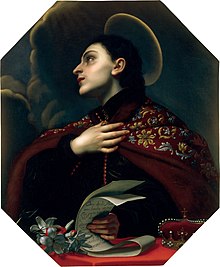
St. Casimir

When He Lived

Saint Casimir, also known as Saint Casimir Jagiellon, was born on October 3, 1458, in Wawel Castle, Kraków, Poland. He lived during the late 15th century, specifically during the years 1458-1484.

Where He Lived

Saint Casimir lived primarily in the Kingdom of Poland, which was a powerful and culturally significant country during that period. He spent much of his time in Kraków, the royal capital of Poland, which was a vibrant center of arts, culture, and politics.

Notable World Events during His Life

  • The Renaissance: Saint Casimir’s era witnessed the peak of the Renaissance in Europe. This intellectual and artistic movement transformed the continent, leading to the revival of classical learning, scientific advancements, and innovative artistic expressions.
  • The Age of Discovery: During Casimir’s lifetime, explorers like Christopher Columbus, Vasco da Gama, and John Cabot embarked on monumental voyages, which expanded the known world and connected different civilizations through trade and exploration.
  • The Invention of the Printing Press: Johannes Gutenberg’s invention of the movable-type printing press around 1440 revolutionized communication and knowledge dissemination, contributing to the spread of ideas, literature, and education.
  • The Ottoman Empire’s Expansion: The Ottoman Empire, a significant geopolitical power at the time, was expanding into Europe, influencing political dynamics and leading to conflicts, particularly in Eastern Europe.
  • The End of the Hundred Years’ War: The Hundred Years’ War between France and England concluded in 1453, which reshaped the political landscape of Europe, leading to the emergence of strong nation-states.

Patronage

Saint Casimir is the patron saint of Poland and Lithuania. He is also venerated as the patron saint of youth, bachelors, students, and people of good moral character. His devotion to faith, his compassion, and his commitment to justice make him an inspiring figure for those seeking guidance in leading virtuous lives.

Casimir’s life was marked by his dedication to his faith, his concern for the well-being of his subjects, and his commitment to upholding Christian values. Despite being a prince, he lived a humble and pious life, demonstrating compassion towards the less fortunate and promoting religious tolerance. His legacy continues to inspire people to this day, reminding us of the importance of kindness, integrity, and devotion to one’s beliefs.

Early Life

He was the son of Poland’s King Casimir IV and Elizabeth of
Austria. He was the third son of thirteen children.

Dedication and Devotion

He began his studies alongside his brothers with Priest John Dlugosz. Casimir would go on to learn about devotion and politics from him.

Casimir wasn’t like a typical royal son. He didn’t subscribe to the luxurious lifestyle that came with being a prince; instead, he dedicated his life to God. He wore plain clothes and refused to sleep on royal beds. He slept on the floor; he denied himself comfort.

He had great values and was remarkable in his self-discipline, even as an adolescent. He was always calm in the face of pressure.

He was so dedicated to God that he spent most of his nights praying and meditating. He was devoted to the Blessed Sacrament.

He gave heartily to the poor and needy in the land. Casimir was empathetic and compassionate when relating to people. He lived his life as a common man.

Legacy

At 13, he would have become the king of Hungary, as the Hungarians asked his father, the king, to offer him to them as their new king. While he went to lead the Hungarians to war out of obedience to his father, his heart was not there. He felt deeply that God didn’t want that to happen. He eventually had to return to Poland when the plan went south.

The army he was to lead was outnumbered by the Turks (the enemy), and some of his soldiers left the mission as they were owed. His officers advised him to return home, and he did.

His father was mad at the situation and had him punished for failing on the mission. While serving his punishment, he made up his mind to never be involved in anything that had to do with war again. He continued in his devotion to God.

He returned to his studies with Dlugosz, as he learned by observing his father’s rule. To form an alliance with the emperor, Casimir was asked to marry the Emperor’s daughter. He vehemently refused and chose a life of celibacy to honor God.

He was pressured on every side, but he stood firm in his beliefs and devotion to God. Luxuries became a temptation to him, and he was unwavering in his loyalty to God.

In 1471, his father went on a journey. He was away from 1479 to 1483 to attend to the state’s business in Lithuania. Casimir was in charge of Poland while his father was away, from 1481 to 1483.

Casimir became sick and knew the end was drawing closer; hence, he drew closer to God in his devotion.

500 years after his death, [Pope John Paul II mentioned how St. Casimir embraced a life of celibacy, submitted himself humbly to God’s will in all things, devoted himself with tender love to the Blessed Virgin Mary, and developed a fervent practice of adoring Christ present in the Blessed Sacrament.”]

[“To all,” the Pope said, “he was a shining example of poverty and of sacrificial love for the poor and needy.”]

Death and Canonization

Casimir died at a young age. He died at 25 of lung disease on March 4, 1484. He was buried in Vilnius, Lithuania.

He was canonized in 1522 by Pope Adrian VI.

5 Interesting Facts About St. Casimir

  • Did you know that Casimir is also patron of the Knights of St. John?
  • Did you know that “Daily, Daily Sing to Mary” was Casmir’s
    favorite hymn?
  • Did you know that Casimir was the Grand Duke of Lithuania?
  • Did you know that 15-year-old Casimir was held in confinement for three
    months when he failed his father?
  • Did you know that Casimir served as regent of the nation while his
    father was away?

Prayer to St. Casimir

All-powerful God, to serve you is to reign. By the prayers of Saint Casimir, help us to serve you in holiness and justice. Through our Lord Jesus Christ, your Son, who lives and reigns with you in the unity of the Holy Spirit, one God, for ever and ever Amen.

Reference

[https://www.franciscanmedia.org/saint-of-the-day/saint-casimir]{.ul}

https://www.catholicnewsagency.com/saint/st-casimir-of-poland-167